Diabetes Insipidus: An Overview

There are many diabetic types that you may be used to hearing, Type 1, Type 2, gestational and diabetes mellitus. What may be less common and perhaps even misunderstood is a disease known as diabetes insipidus (DI).

Diabetes Insipidus – An Overview: There are many diabetic types that you may be used to hearing, Type 1, Type 2, gestational and diabetes mellitus. What may be less common and perhaps even misunderstood is a disease known as diabetes insipidus (DI).

This disease is not a branch of Type 1 or Type 2 diabetes. In most ways they aren’t related. If you are diagnosed with diabetes insipidus you will not need to take insulin and you may not need to worry about sugar intake.

So what is it?
Diabetes insipidus is diagnosed when the body can’t seem to balance fluid intake with urine output. Individuals with this disorder urinate frequently and excessively. The majority of the fluid release is water instead of urine. Patients typically must drink significant amounts of water to balance the loss of fluid through urination. In most cases they can gain some relief through medication.

Three Primary Types – Same Result
Doctors contend with three distinct types of diabetes insipidus and while they all cause frequent urination they are treated differently because the source of complication is unique in each cases.

The National Institute of Health provides the following facts about DI.

  • Diabetes insipidus (DI) is a rare disease that causes frequent urination and excessive thirst.
  • DI is not related to diabetes mellitus (DM).
  • Central DI is caused by damage to the pituitary gland and is treated with a synthetic hormone called desmopressin, which prevents water excretion.
  • Nephrogenic DI is caused by drugs or kidney disease and is treated with hydrochlorothiazide (HCTZ), indomethacin, or a combination of HCTZ and amiloride.
  • Most forms of gestational DI can be treated with desmopressin.
  • A doctor must determine which type of DI is involved before proper treatment can begin.

It should be noted that there is such a thing as gestational diabetes insipidus and it affects about 1 in every 25,000 pregnancies. Like other cases of diabetes insipidus it is treated with a balance of water intake to urine output along with medication.

Diagnosis
Doctors must conduct a urinalysis to determine if a patient may be suffering from diabetes insipidus. This also allows them to determine which disease type they may have. The diagnosis is important in implementing a treatment plan that works for the patient.

Another diagnostic tool is a fluid deprivation test. This can help doctors determine the best treatment option following testing of the primary causes for DI.

The Diabetes Insipidus Foundation provides a list of symptoms that may be associated with the disorder.


  • Increased thirst
  • Increased drinking
  • Increased urination
  • Bed-wetting
  • Getting up at night to urinate

The Universal and Variable Symptoms of Diabetes Insipidus occur:


  • In the absence of high blood and/or urine sugar
  • Are sometimes associated with various other symptoms due to concomitant damage to other hormones or organs

Sodium and DI
The role of sodium can be critical to those suffering with DI. With this disease too much sodium can result in dehydration. This can throw off the delicate balance of water intake compared to urine output. In some cases medical intervention will be required.

Good News
The Diabetes Insipidus Foundation indicates that unlike diabetes mellitus this disorder is not a progressive disease. What that means is if you are diagnosed with DI it is usually treated without additional complications. Most DI suffers lead a normal life in all other ways.

Diabetes And College Scholarships

Breanne is a senior in high school this year. She wants a good education and she’s worked hard to get good grades. She’s done so because there have been numerous expenses related to the care of her Type 1 diabetes. She knows her family will do almost anything to get her into a good college, but she wants to help. Her grades reflect that willingness. She’s applied for many scholarships and she prays some of them will come through.

Diabetes And College Scholarships: Breanne is a senior in high school this year. She wants a good education and she’s worked hard to get good grades. She’s done so because there have been numerous expenses related to the care of her Type 1 diabetes. She knows her family will do almost anything to get her into a good college, but she wants to help. Her grades reflect that willingness. She’s applied for many scholarships and she prays some of them will come through.

No one wants to live with diabetes. It is a disease that many young people live with in the form of Type 1, which is also known as Juvenile diabetes along with a rising number of teens that have developed Type 2 diabetes.

When it comes to diabetes the difficulties are many. One of the challenges for families is finding a way to pay for college. That being said there are several college scholarship opportunities for students who have this disease. Let’s explore a few of the possibilities.

diabetes and college scholarships
The Diabetes Scholars Foundation funds college and conference scholarships to students with Type 1 diabetes.  For the upcoming 2009/2010 school year we will be awarding up to 15 $5,000 college scholarships to incoming freshmen with Type 1 diabetes.  The application can be found on our website at www.diabetesscholars.org.  The deadline to apply is May 15, 2009.

Novo Nordisk Donnelly Awards. These awards are intended to encourage a long and healthy life. The awards are given to high school students who engage in the team sport of tennis, but who also have diabetes. Two $5,000 awards are given annually. You can contact this organization at 512/443-1334 ext 201 or at:

Texas Tennis and Education Foundation
8105 Exchange Drive
Austin, Texas 78754

Diabetes Hope Foundation. This organization typically offers 100 separate college scholarships on an annual basis. The scholarship value is different for each recipient based on numerous variables. This Canadian Foundation has a website, but can also be contacted by phone (905) 670-0557 or at:

Diabetes Hope Foundation
6150 Dixie Road, #1
Mississauga, ON
L5T 2E2

While these are the major scholarship foundations for diabetes you should know there are numerous individual colleges that provide scholarships for individuals with diabetes. This may be in response to the Americans with Disabilities Act, but the fact that there are individual school scholarships is good news for those families who may already be struggling with finances related to the managed care of a loved one with diabetes.

By all means work to find all forms of scholarships available – ones that play to the academic or sports skills of your high school senior, but don’t forget to look into what possibilities exist for a scholarship specifically offered to students whose lives have been altered by diabetes.

If you find a scholarship opportunity in colleges or universities that your child may be interested in attending it can speak volumes to the importance the school places on the health care needs of their student body along with accommodations they may have in place to step in and help in case of an emergency.

This not only means a progressive ideology in terms of meeting the genuine needs of their student body, but demonstrates a concerted effort to ensure their school environment provides a positive welcome to students who might otherwise feel intimidated and unsure.

Conduct your online search. Be relentless is researching possibilities. Any help you receive can lessen the financial burden for your entire family and set a positive tone for your child’s educational future.

Diabetes: Statistically Speaking – Part 1

The U.S. Government (derived from the National Institute of Diabetes and Digestive and Kidney Diseases) provides some statistics on diabetes that is, at times, hopeful and, at others, sobering. This article is dedicated to these government findings.

Diabetes: Statistically Speaking – Part 1: The U.S. Government (derived from the National Institute of Diabetes and Digestive and Kidney Diseases) provides some statistics on diabetes that is, at times, hopeful and, at others, sobering. This article is dedicated to these government findings.

Pre-diabetes

  • In 1988 to 1994, among U.S. adults aged 40 to 74 years, 33.8 percent had Impaired Fasting Glucose (IFG), 15.4 percent had Impaired Glucose Tolerance (IGT), and 40.1 percent had pre-diabetes—IGT or IFG or both.
  • In 1999 to 2000, 7.0 percent of U.S. adolescents aged 12 to 19 years had IFG.
  • In 2003 to 2006, 25.9 percent of U.S. adults aged 20 years or older had IFG—35.4 percent of adults aged 60 years or older. Applying this percentage to the entire U.S. population in 2007 yields an estimated 57 million American adults aged 20 years or older with IFG, suggesting that at least 57 million American adults had pre-diabetes in 2007.
    After adjusting for population age and sex differences, IFG prevalence among U.S. adults aged 20 years or older in 2003 to 2006 was 21.1 percent for non-Hispanic blacks, 25.1 percent for non-Hispanic whites, and 26.1 percent for Mexican Americans.
  • In the Diabetes Prevention Program, a large prevention study of people at high risk for diabetes, lifestyle intervention reduced the development of diabetes by 58 percent over 3 years. The reduction was even greater, 71 percent, among adults aged 60 years or older.
  • Interventions to prevent or delay type 2 diabetes in individuals with pre-diabetes can be feasible and cost-effective. Research has found that lifestyle interventions are more cost-effective than medications.

Diabetes
Prevalence of Diagnosed and Undiagnosed Diabetes in the United States, All Ages, 2007

  • Total: 23.6 million people—7.8 percent of the population—have diabetes.
  • Diagnosed: 17.9 million people
  • Undiagnosed: 5.7 million people
  • About 186,300 people younger than 20 years have diabetes—type 1 or type 2. This represents 0.2 percent of all people in this age group.
  • A total of 1.6 million new cases of diabetes were diagnosed in people aged 20 years or older in 2007.
  • Based on 2002 to 2003 data, 15,000 youth in the United States were newly diagnosed with type 1 diabetes annually, and about 3,700 youth were newly diagnosed with type 2 diabetes annually.
  • Diabetes was the seventh leading cause of death listed on U.S. death certificates in 2006. This ranking is based on the 72,507 death certificates in 2006 in which diabetes was listed as the underlying cause of death. According to death certificate reports, diabetes contributed to a total of 233,619 deaths in 2005, the latest year for which data on contributing causes of death are available.
  • Overall, the risk for death among people with diabetes is about twice that of people without diabetes of similar age.

We thought it important to share the hope filled statistics related to pre-diabetes first simply because there is very strong evidence to show that a lifestyle change can result in a return to normal glucose. It also provides the best (and least expensive) way to potentially avoid onset diabetes.

On the other hand the statistics for diabetes are extremely sobering. What concerns most doctors is the growing number of young people who are developing Type 2 diabetes – a disease they would rather prevent than treat.

In part 2 of this report we will look at some of the diseases that seem to be more prevalent among those with diabetes and the complications they present to the diabetic.

Diabetes: Statistically Speaking – Part 2

In this second report focused on statistics we return to government data (derived from the National Institute of Diabetes and Digestive and Kidney Diseases) that helps provide a clearer picture of complications to those who suffer with diabetes.

Diabetes: Statistically Speaking – Part 2: In this second report focused on statistics we return to government data (derived from the National Institute of Diabetes and Digestive and Kidney Diseases) that helps provide a clearer picture of complications to those who suffer with diabetes.

Heart Disease and Stroke

  • In 2004, heart disease was noted on 68 percent of diabetes-related death certificates among people aged 65 years or older.
  • In 2004, stroke was noted on 16 percent of diabetes-related death certificates among people aged 65 years or older.
  • Adults with diabetes have heart disease death rates about two to four times higher than adults without diabetes.
  • The risk for stroke is two to four times higher among people with diabetes.

High Blood Pressure

  • In 2003 to 2004, 75 percent of adults with self-reported diabetes had blood pressure greater than or equal to 130/80 millimeters of mercury (mm Hg) or used prescription medications for hypertension.

Blindness

  • Diabetes is the leading cause of new cases of blindness among adults aged 20 to 74 years.
  • Diabetic retinopathy causes 12,000 to 24,000 new cases of blindness each year.

Kidney Disease

  • Diabetes is the leading cause of kidney failure, accounting for 44 percent of new cases in 2005.
  • In 2005, a total of 178,689 people with end-stage kidney disease due to diabetes were living on chronic dialysis or with a kidney transplant in the United States and Puerto Rico.

Nervous System Disease

  • About 60 to 70 percent of people with diabetes have mild to severe forms of nervous system damage.
  • Almost 30 percent of people with diabetes aged 40 years or older have impaired sensation in the feet—for example, at least one area that lacks feeling.
  • Severe forms of diabetic nerve disease are a major contributing cause of lower-extremity amputations.

Amputations

  • More than 60 percent of nontraumatic lower-limb amputations occur in people with diabetes.
  • In 2004, about 71,000 nontraumatic lower-limb amputations were performed in people with diabetes.

Dental Disease

  • Periodontal, or gum, disease is more common in people with diabetes. Among young adults, those with diabetes have about twice the risk of those without diabetes.

Complications of Pregnancy

  • Poorly controlled diabetes before conception and during the first trimester of pregnancy among women with type 1 diabetes can cause major birth defects in 5 to 10 percent of pregnancies and spontaneous abortions in 15 to 20 percent of pregnancies.
  • Poorly controlled diabetes during the second and third trimesters of pregnancy can result in excessively large babies, posing a risk to both mother and child.

Other Complications

  • Uncontrolled diabetes often leads to biochemical imbalances that can cause acute life-threatening events, such as diabetic ketoacidosis and hyperosmolar, or nonketotic, coma.
  • People with diabetes are more susceptible to many other illnesses and, once they acquire these illnesses, often have worse prognoses. For example, they are more likely to die with pneumonia or influenza than people who do not have diabetes.
  • Persons with diabetes aged 60 years or older are two to three times more likely to report an inability to walk a quarter of a mile, climb stairs, do housework, or use a mobility aid compared with persons without diabetes in the same age group.

In our third and final report we will look at a few ways diabetics are fighting back. A self-managed plan guided by your primary care physician can have an incredible impact on the way you live with diabetes. This last report should add the needed hope missing from so many raw statistics.

Diabetes: Statistically Speaking – Part 3

In part one and two of this report we presented statistics that provided the harsh realities of diabetes, but we also discussed some of the ways to manage your health in the midst of a pre-diabetic scenario.

Diabetes: Statistically Speaking – Part 3: In part one and two of this report we presented statistics that provided the harsh realities of diabetes, but we also discussed some of the ways to manage your health in the midst of a pre-diabetic scenario.

We finish this report with more information derived from the National Institute of Diabetes and Digestive and Kidney Diseases. This final article is designed to empower readers who are diabetic with very specific ways to reduce the complications they may face. In doing so they will add more health to their years and gain a sense of enjoyment in a disease controlled environment. If you’re willing to fight back – read on.

Glucose Control

  • Studies in the United States and abroad have found that improved glycemic control benefits people with either type 1 or type 2 diabetes. In general, every percentage point drop in A1C blood test results—for example, from 8.0 to 7.0 percent—can reduce the risk of microvascular complications—eye, kidney, and nerve diseases—by 40 percent.
    In patients with type 1 diabetes, intensive insulin therapy has long-term beneficial effects on the risk of cardiovascular disease.

Blood Pressure Control

  • Blood pressure control reduces the risk of cardiovascular disease—heart disease or stroke—among persons with diabetes by 33 to 50 percent, and the risk of microvascular complications—eye, kidney, and nerve diseases—by approximately 33 percent.
  • In general, for every 10 mm Hg reduction in systolic blood pressure, the risk for any complication related to diabetes is reduced by 12 percent.

Control of Blood Lipids

  • Improved control of LDL cholesterol can reduce cardiovascular complications by 20 to 50 percent.

Preventive Care Practices for Eyes, Feet, and Kidneys


  • Detecting and treating diabetic eye disease with laser therapy can reduce the development of severe vision loss by an estimated 50 to 60 percent.
  • Comprehensive foot care programs can reduce amputation rates by 45 to 85 percent.
  • Detecting and treating early diabetic kidney disease by lowering blood pressure can reduce the decline in kidney function by 30 to 70 percent.
  • Treatment with angiotensin-converting enzyme (ACE) inhibitors and angiotensin receptor blockers (ARBs) are more effective in reducing the decline in kidney function than other blood pressure lowering drugs.
  • In addition to lowering blood pressure, ARBs reduce proteinuria, a risk factor for developing kidney disease, by 35 percent—similar to the reduction achieved by ACE inhibitors.

For newly diagnosed diabetics the sheer volume of information can be so overwhelming as to create a period of inaction. This can happen for a variety of reasons. The individual may be suffering depression or they may fear that any move could result in greater problems so they simply stay in the same pattern that caused the problem in the first place.

Diabetes is a war fought on numerous fronts. Things that may have been taken for granted in the past are suddenly subject to review and are either cherished more or discarded as counterproductive.

Those diabetics who take a personal role in the fight are the ones who tend to feel the most hope for the future and often experience fewer physical problems. This is true because they seek out information that allows them to make microchoices that lead to improved health in small doses. Those small deposits in the health bank account can result in greater joy and physical longevity.

So, while we’ve dealt with some intense issues we wanted to leave you with the hope we know can help you succeed in your diabetes management goals.

This really is a fight worth engaging.

Diabetes: The Asian Influence

Many American’s who live with diabetes have been helped by information and therapies discovered through clinical trials throughout the years. Since 1997, however, there has been a growing trend toward conducting clinical trials outside the United States.

Diabetes: The Asian Influence: Many American’s who live with diabetes have been helped by information and therapies discovered through clinical trials throughout the years. Since 1997, however, there has been a growing trend toward conducting clinical trials outside the United States.

Over the past ten years overseas clinical trials have risen from 14% to an impressive 43%. The primary reason for the shift stems from the fact that clinical trials in other countries generally cost less than they do in the United States. Many pharmaceutical companies who often pay for the trials are motivated by the bottom line.

The Tufts Center for the Study of Drug Development in Boston indicates there were nearly 1,800 clinical trials staged outside the US in 2007.

The Asian Diabetes Association indicates the Federal Drug Administration (FDA) has plans to increase the total number of drugs they approve in the near future. This would, of course, be a direct result of successful clinical trials. It should be noted that there are medical personnel in the United States that have expressed concern over the success or failure of the clinical trials in other countries simply because they often do not represent circumstances normally experienced by Americans.

While this may be true the United Nations has indicated that of the more than 240 million cases of diabetes about half of those affected by the disease are from Asian countries. Further, it is estimated that diabetes is a disease that is ranked forth in mortality rates on a global basis.

Reports from Asian countries seem to indicate the disease is most common in urban areas while rural areas see diabetes rates as low as 2% among those 20 and over.

It could be argued that the primary reason for the lower diabetes rates among those who live in rural areas has to do with the lack of access to stores and restaurants that supply abundant processed foods. It could also be argued that there are other environmental concerns that may contribute to the onset of diabetes in Asia.

On a purely organic level Asian researcher Dr. Victor Marcial-Vega, M.D., studied the effects of the natural product ‘goji juice’ for many years. Marcial-Vega discovered that “blood sugar levels decrease in 64 percent of the patients with diabetes, and more than half of them decreased or eliminated their medications.”

Goji Juice can be purchased in health food stores as well as in an online environment. If you are interested in pursuing this as a potential addition to your traditional regimen it is possible you may see some results. This natural product is just one of several products that have gained some attention because of the way they seem to assist in the health management goals of diabetics. An online sample of prices finds a 32 oz bottle for as little as $11 or as much as $50. If you do use an online source make sure it is one that you trust.

It is interesting to note that the crisis of diabetes is a global issue. It is also interesting to note that just as there is an American Diabetes Association there is also one developed for Asian countries. Researchers in both spots on the globe are working relentlessly to find a cure or at the very least a better management plan for their citizens who must live with diabetes.

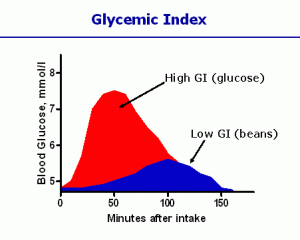
The Glycemic Index – What is it?

Medicinenet.com describes the Glycemic Index as, “An indicator of the ability of different types of foods that contain carbohydrate to raise the blood glucose levels within 2 hours. Foods containing carbohydrates that break down most quickly during digestion have the highest glycemic index.”

The Glycemic IndexThe Glycemic Index – What is it: Medicinenet.com describes the Glycemic Index as, “An indicator of the ability of different types of foods that contain carbohydrate to raise the blood glucose levels within 2 hours. Foods containing carbohydrates that break down most quickly during digestion have the highest glycemic index.”

When food breakdown quickly they can introduce spikes in blood sugar within the body of diabetics. If a diabetic can learn to find foods with a low GI they will likely see a more manageable glucose level in the long-term.

Knowing this information can actually help in cases where significant exercise may require an energy boost. For instance the use of a high GI food item can provide a boost of energy that the individual may need. However, in most cases the lower the Glycemic Index the better.

A Few of the Best Choices
Wikipedia suggests a few of the following foods for low GI levels – “Most fruit and vegetables (except potatoes, watermelon), grainy breads, pasta, legumes/pulses, milk, products extremely low in carbohydrates (fish, eggs, meat, nuts, oils).”

More Specific Help
GlycemicIndex.com provides a searchable database to help you find the GI for most common foods you may choose to eat as part of your diet.

It may come as a surprise, but it appears pasta may not be a bad food item after all. GlycemicIndex.com reports, “Pasta has a low GI because of the physical entrapment of ungelatinised starch granules in a sponge-like network of protein (gluten) molecules in the pasta dough. Pasta is unique in this regard. As a result, pastas of any shape and size have a fairly low GI (30 to 60).”

GI – Not Just for Diabetics
Many athletes are learning to choose their food carefully to allow a slow release of blood sugar to provide greater endurance and energy. The use of GI information for this purpose should help show diabetics that there are compelling reasons for attention to the foods they eat.

There are also many diets such as South Beach and NutriSystem that use the Glycemic Index to help them develop a weight loss plan for their clients.

Always a Critic
There are some that suggest the GI is flawed to a greater or lesser degree because it doesn’t always take into account the way the food is prepared, the insulin resistance of the individual or a meal that has multiple foods. Certain combinations of food can either raise or lower the GI to levels that may not be suggested by strict adherence to the GI tables.

Like many things in life the Glycemic Index was designed to simply provide some direction in the foods an individual may choose to eat. It remains very important to consult with your doctor and/or nutritionist to maintain the best course of managed care for your diabetes.

The Other Side
Proponents will argue that the GI provides two levels of effectiveness. The first is to help diabetics understand what foods may cause a sharp and sudden burst in blood sugar levels. The second is that attention to the Glycemic Index can help users lose weight. By losing weight they will typically see a more stable blood sugar level and may require fewer meds. They may find they have the energy to exercise more as well. In combination these things are a help to the diabetic.

That being said it is still in your best interest to discuss managed care options with your physician.

Diabetes And Your Skin

It is estimated that at least one third of diabetics will suffer from a skin disorder following a diabetic diagnosis. Some suggest skin problems may be the first indicator to a primary physician that there may be an issue greater than a dermatological disorder.

Diabetes And Your SkinDiabetes And Your Skin: It is estimated that at least one third of diabetics will suffer from a skin disorder following a diabetic diagnosis. Some suggest skin problems may be the first indicator to a primary physician that there may be an issue greater than a dermatological disorder.

Bacterial and fungal issues are a fairly common issue for diabetics, but the skin disorders do not stop there. Itching of the lower legs is another common issue diabetics face. This is typically the result of problems with circulation and can often be remedied with skin cream.

A Blood Vessel Top Three
There are three primary skin disorders that affect diabetics and each stem from issues related to alterations in the smallest blood vessels of the legs.

  • Necrobiosis Lipoidica Diabeticorum. It is often diabetic women who will develop this condition. Raised blood vessels create sore red bumps on the legs that may develop into a scab-like area. As long as the skin does not break open no medical care may be required.
  • Diabetic Dermopathy. Similar to age spots in appearance these flaky patches do not itch and require no treatment.
  • Atherosclerosis. Legs that are shiny and have no hair are hallmarks of this skin disorder. It is caused by thickening arteries in the legs of diabetics. Since circulation is a problem for diabetics there are fewer infection fighting white cells to ward off potential problems. Feet tend to become cold and patients often discover changes to their toenails.

Other Skin Disorders
Most of the following skin issues are directly related to diabetes that is out of control. When patients get their blood sugar under control many of these issues tend to go away.

  • Acanthosis Nigricans. These darkened skin patches are generally found in diabetics who are overweight and can cause knuckles, elbows and knees to be affected. Weight loss is the best remedy.
  • Eruptive Xanthomatosis & Bullosis Diabeticorum. These are blisters that are not generally painful and will heal by themselves.
  • Disseminated Granuloma Annulare. May appear a bit like ring worm in either skin tone or various shades of red. Medication is required to manage this skin disorder.
  • Digital Sclerosis. A thickening and tightening of skin in Type 1 diabetics. In advanced cases can spread to other areas of the body causing stiff finger, knee or elbow joints.

Skin Care Tips
The American Diabetes Association provides some information on taking care of your skin when you also live with diabetes.

  • Keep skin clean and dry. Use talcum powder in areas where skin touches skin, such as armpits and groin.
  • Avoid very hot baths and showers. If your skin is dry, don’t use bubble baths. Moisturizing soaps may help. Afterward, use a standard skin lotion, but don’t put lotions between toes. The extra moisture there can encourage fungus to grow.
  • Prevent dry skin. Scratching dry or itchy skin can open it up and allow infection to set in. Moisturize your skin to prevent chapping, especially in cold or windy weather.
  • Treat cuts right away. Wash minor cuts with soap and water. Do not use Mercurochrome antiseptic, alcohol, or iodine to clean skin because they are too harsh. Only use an antibiotic cream or ointment if your doctor says it’s okay. Cover minor cuts with sterile gauze. See a doctor right away if you get a major cut, burn, or infection.
  • During cold, dry months, keep your home more humid. Bathe less during this weather, if possible.
  • Use mild shampoos. Do not use feminine hygiene sprays.
  • See a dermatologist (skin doctor) about skin problems if you are not able to solve them yourself.
  • Take good care of your feet. Check them every day for sores and cuts. Wear broad, flat shoes that fit well. Check your shoes for foreign objects before putting them on.

Diabetes In The News

With diabetes viewed as something close to an epidemic there are significant studies being conducted that are designed to provide better treatment options as well as new methods for ongoing care. This article is dedicated to some of the more recent studies and their findings. We will look at what some are doing to manage health cares costs associated with diabetes and other stories related to diabetes and its management.

Diabetes In The News: With diabetes viewed as something close to an epidemic there are significant studies being conducted that are designed to provide better treatment options as well as new methods for ongoing care. This article is dedicated to some of the more recent studies and their findings. We will look at what some are doing to manage health cares costs associated with diabetes and other stories related to diabetes and its management.

Diabetics and Saliva
Researchers in both Oregon and India have been researching the possibility of using a saliva sample to help diagnose diabetes in patients. This research is also exploring the possibility of using a similar test to monitor blood glucose.

One of the stated purposes of the research was to find a non-invasive way to monitor the progress of a diabetic. Some feel that the use of standard blood glucose ‘pin prick’ tests make it undesirable for many diabetics to accurately monitor their blood sugar levels.

It should be noted that many in the medical community do not view this as a significant enough prospect to abandon traditional blood glucose tests.

Lowering Costs Associated With Diabetic Care
An insurance company (UnitedHealthcare) is offering savings of up to $500 for those who are diabetic and participate in “blood sugar checks, routine exams and wellness coaching”.

The company indicates it will provide the savings through free prescriptions and testing supplies. The presumed concept is that encouraging managed care will result in fewer costs associated with long-term diabetic care.

An Indicator of Heart Health in Diabetic Men
Erectile Dysfunction (ED) is being claimed as an important indicator of potential heart issues among men who also have diabetes. There seems to be evidence that blood vessels damaged by diabetes within the heart can contribute to ED. Cholesterol reducing drugs can help reduce the risk of heart issues. Interestingly Viagra also seems to provide some benefit to heart health as the drug was initially tested as a heart health aid.

Food Consumption
Researchers at Brigham Young University (BYU) suggest that if cutting calories is a discipline you can live with then you have the potential of better long-term health. Once past middle age your daily caloric needs decrease. Whether it’s simply a matter of habit or felt need most individuals will eat roughly the same amount of food throughout their lives. Lance Davidson who has followed this case carefully was quoted as saying, “Because the body’s energy requirements progressively decline with age, energy intake must mirror that decrease or weight gain occurs.” The weight gain described is a primary contributor to onset diabetes.

The Air We Breathe
The Ohio State University Medical Center conducted research that seems to point to a connection between high air pollution levels and an increase in the development of onset diabetes. It is argued that with as little as six months of exposure to high levels of air pollution the ingestion of air particulates, “exaggerates insulin resistance and fat inflammation.”

The fat inflammation mentioned in the study appears to be blamed for increasing obesity, which often leads to diabetes. One more shocking note from this report states, “221 million people [are] expected to suffer from [Type 2 diabetes] in 2010, a 46 percent increase compared to 1995.”

While there are significant advancements that are coming at a rapid pace there is still a long way to go. Education and discipline are often keys to success in diabetes care management.

Diabetes And Blood Thinners

Because diabetes tends to damage blood vessels there may likely come a time when your primary care physician will discuss blood-thinning options with you.

Diabetes And Blood Thinners: Because diabetes tends to damage blood vessels there may likely come a time when your primary care physician will discuss blood-thinning options with you.

The Role of Blood Thinners

When a doctor suggests blood thinners it is primarily due to the potential for clotting within your system. If not addressed clots can cause a stroke or heart attack. There are both risks and rewards in following through with blood thinners, but the use of these drugs requires proper management of blood pressure (hypertension). Without control the blood thinners could create significant potential for internal and external bleeding that is hard to stop.

Types of Blood Thinners

There may be several options for patients, however one of the least expensive may be a low dose of aspirin. While many have moved toward ibuprofen, acetaminophen or naproxen for management of pain and inflammation the use of low dose aspirin can provide a relatively safe method to thin the blood and avoid clotting issues.

Another option for many patients is clopidogrel (Plavix). This drug works to prevent blood platelets from sticking together. When they do stick it can result in clotting.

In clinical settings the use of Heparin may be used as an anti-coagulant that allows the body’s normal function to aid in the breakdown of any existing clots. This may be done in surgical settings to assist in post-surgical care.

The blood thinner Warfarin has been subjected to greater scrutiny because it has shown a great ability to prevent certain kinds of strokes by breaking up certain kinds of blood clots. There is long-term evidence to suggest the use of this drug may actually lead to a different type of stroke later in life along with a heightened potential for hemorrhage.

Natural Aids in Thinning Blood

This section is designed to help you either use these foods to your advantage in aiding blood thinning or avoiding too many of them if you are already on medically prescribed blood thinners. You see, excessive blood thinning can cause bleeding in other areas of your body including the brain.

Some herbs and spices that contain salicylates (a natural blood thinner) include cayenne pepper, cinnamon, curry powder, dill, ginger, licorice, oregano, paprika, peppermint, thyme and turmeric.

Meanwhile there are fruits that can aid in blood thinning. These include blueberries, cherries, cranberries, grapes, oranges, prunes, raisins, strawberries and tangerines.

There are several fish species that can aid in anti-clotting objectives. They include albacore tuna, anchovies, herring, lake trout, mackerel, and salmon. The prevalent reason for this is high levels of oega-3 fatty acids.

While the above is not a complete list there are other foods including olive oil, garlic and onions that can contribute to blood thinning objectives.

Australian research in 2004 found that individuals who drank a cup of tomato juice once a day for three weeks saw a 27% reduction in the “stickiness of platelets”.

Am I getting too much blood thinner?

Symptoms of Blood Thinners:

  • Abdominal or stomach pain or swelling
  • Back pain or backaches
  • Black, tarry or bloody stools
  • Bleeding from your gums when brushing your teeth
  • Bleeding in eye
  • Blood in your urine
  • Blood in vomit or vomit that looks like coffee grounds
  • Blurred vision
  • Chest pain
  • Confusion
  • Constipation
  • Coughing up blood
  • Diarrhea (sudden and severe)
  • Dizziness or fainting
  • Headache (continuing or severe)
  • Joint pain, stiffness, or swelling
  • Loss of appetite
  • Nausea and vomiting (severe)
  • Nervousness
  • Nosebleeds
  • Numbness or tingling of hands, feet, or face
  • Paralysis
  • Pinpoint red spots on skin
  • Shortness of breath
  • Unusual bleeding or bruising
  • Unusually heavy bleeding or oozing from cuts or wounds
  • Unusually heavy or unexpected menstrual bleeding
  • Weakness (sudden)

Always discuss any concern with your primary care physician.

Secret Link