Reality TV Does Much for Diabetic Awareness

Diabetic celebrities were recently celebrated as newsworthy. Both are musically inclined and both competed on national television for the honor of being selected as top contestant on their respective shows. One took first place while the other was runner up. Two lives, two separate shows, one common theme. Diabetes.

Reality TV Does Much for Diabetic Awareness: Diabetic celebrities were recently celebrated as newsworthy. Both are musically inclined and both competed on national television for the honor of being selected as top contestant on their respective shows. One took first place while the other was runner up. Two lives, two separate shows, one common theme. Diabetes.

Bret Michaels, lead singer for Poison is a Type 1 diabetic. He struggled as a contestant on Celebrity Apprentice with his health and was ultimately admitted to the hospital for observation and treatment. Although weakened by his condition Michaels arrived as one of the final two contestants on the show. In the end he was selected as Donald Trump’s apprentice. His award? Michael’s was able to present his charity with $390,000. His charity? The American Diabetes Association (ADA).

According to the ADA Michael’s “chose the American Diabetes Association as his charity during this season of “Celebrity Apprentice.” The money that Bret has raised on the show will help support the American Diabetes Association, leading provider of diabetes camps.” This doesn’t take into account the platform Michael’s was able to use to bring awareness to the disease through national television.

Michael’s wasn’t the only musician vying for top spot in a reality television series. The second is also a musician who suffers from Type 1 diabetes. Her name is Crystal Bowersox and she sounds a bit like Janice Joplin. She was a crowd favorite on American Idol from day one, but in the end she was runner up. However, if history is any indication sometimes the runner up ultimately has a greater career than the winner. Only time will tell.

Bowersox struggle with Type 1 diabetes was honored at a church in her hometown of Elliston, Ohio. Trinity United Church of Christ in Elliston played host to weekly viewing’s of the cities favorite daughter. Ellison itself is said to have fewer than 20 homes, but by the time the season finale aired there were more people at the church than live in the town. The church developed special shirts in support of Bowersox and to date they have sold 4,000. Bowersox has also inspired the church to do more. They have provided support to local Diabetes Youth Services.

There aren’t many who have followed American Idol that aren’t aware of the fact that Bowersocks was a diabetic. Her talent, like Michael’s was strong enough to bring her to the top of list of competitors. Bowersox has publicly stated that she counts it a priority to use her new notoriety to help spread the news about diabetes.

Michael’s has been dealing with a brain hemorrhage and a “warning” stroke. He now plans to under heart surgery for a newly diagnosed hole in his heart.

In both instances of Celebrity Apprentice and American Idol two key contenders have done much to raise awareness of what has become a growing phenomenon. While there are fewer people who live with Type 1 diabetes the television shows have helped to demonstrate that the disease is something that an individual can both live with and still succeed in amazing ways.

By association the appearance of Bowersocks and Michaels has provided the opportunity for individuals to gain a greater awareness of Type 2 diabetes. The successes represented by these two artists should spark some encouragement in those who are diabetic. Yes, there are many things that need to be taken care of in health management, but life doesn’t have to end following a diagnosis of diabetes. Perhaps that’s the best message these artists have brought to the American public.

Diabetics and the New Aspirin Advice

There have been numerous reports and studies that have recommended low dose aspirin for those over the age of 40.

Diabetics and the New Aspirin AdviceDiabetics and the New Aspirin Advice: There have been numerous reports and studies that have recommended low dose aspirin for those over the age of 40. New data finds at least three major health organizations revising their recommendations in some pretty significant ways. One of the organizations is the American Diabetes Association.

HealthDay recently reported, “According to a joint statement by the American Heart Association, the American Diabetes Association and the American College of Cardiology, only male diabetics over 50 and female diabetics over 60 who are at risk for a heart attack or stroke should be taking aspirin as a preventive.”

Dr. M. Sue Kirkman, senior vice president for medical affairs and community information at the ADA was quoted by HealthDay, “Previously, the American Diabetes Association (ADA) recommended aspirin to prevent heart attacks and stroke in most people with diabetes over the age of 40. However, more recent studies suggest that the benefits of aspirin are modest, and that aspirin likely would be best for people at very high risk of cardiovascular disease.”

Kirkman also said those at risk include, “Adults with diabetes at increased risk include most men over age 50, and women over age 60, who have one or more of the following additional major risk factors: smoking, hypertension, high cholesterol or a family history of premature cardiovascular diseases.”

The U.S. Centers for Disease Control and Prevention has said, “People with diabetes are at three times the increased risk of cardiovascular events compared with people without diabetes. Among diabetics over 65, it’s estimated that 68 percent will die from heart disease and 16 percent from stroke.”

The long-term use of aspirin can lead to bleeding in the stomach and brain making it a little less advisable to use the product on a regular basis at the age of 40. In other words where once low dose aspirin was thought to be a perfect companion to good health it now appears it should be taken only in specific circumstances and perhaps on the advise of a primary care physician.

Dr. Michael Pignone, chief of the general medicine division and professor of medicine at the University of North Carolina adds a slightly different wrinkle to the story; “Taking low-dose aspirin to prevent heart disease is reasonable for adults with diabetes who are at increased risk of cardiovascular disease and not at increased risk for bleeding.” This is one of the very specific circumstances discussed in the last paragraph.

Pignone also said, “People with diabetes should talk to their physicians about their cardiovascular risk and what they should be doing to try to reduce it to a manageable level. This includes the decision about aspirin, but also blood pressure control, [cholesterol-lowering] statins, and smoking cessation.”

Due to the complexity of the needs of diabetics all factors should be considered. Kirkman advised, “For those at relatively low risk, the risks of aspirin probably outweigh the potential benefits. For those at high risk, aspirin should be encouraged. The strong recommendation to use aspirin in patients with a history of cardiovascular events still stands.”

While the experts still feel there is ample reason to invite diabetic patients to use aspirin there seems to be increasing factors that must be considered. This is in the patient’s best interest and is an ultimate determinate of better core health prospects. No one is saying that aspirin is bad, simply that the use of aspirin needs to be filtered through personal health objectives and risk factors known to your doctor.

Marvin Isley: In Memory

A driving force in R&B music recently passed away due to complications from diabetes. Bassist Marvin Isley from the Isley Brothers was only 56 and his life story provides a cautionary tale.
Marvin Isley - In MemoryMarvin Isley: In Memory: A driving force in R&B music recently passed away due to complications from diabetes. Bassist Marvin Isley from the Isley Brothers was only 56 and his life story provides a cautionary tale.

Isley was just 42 years old when both legs were removed due to diabetes. By that time Marvin had helped provide the bass signature that differentiated The Isley Brothers music from other R&B artists. He was inducted into the Rock and Roll Hall of Fame with the Isley Brothers in 1992, but it was with uncharacteristic regret that he spoke in an interview with the Atlanta Journal Constitution in 2001.

In that interview Isley was quick to express regret that he allowed his diabetes to go so long without treatment. He indicated he had ignored the disease for years. “If I would have listened, if I would have understood diabetes like I understood music, maybe these things wouldn’t have happened,” said Isley.

Isley first suffered a stroke that led to the lack of use in his left hand and an end to his musical career. The effects of diabetes quickly claimed Isley’s legs. His wife Sheila remembers him as a man who always treated her work as more important than his own.

Marvin provided bass duties and background vocals from 1973-84 and again from 1991-97. It was 1997 when diabetes complications took both legs. Marvin was with the group during their most commercial successful years.

The cautionary tale of Marvin Isley’s life is too important to overlook. By all accounts Isley was an important figure in his band and perhaps in the overall scheme of American music to a greater or lesser degree, yet even after being diagnosed with diabetes in 1990 Isley apparently failed to follow a committed treatment plan for his health. By the time severe health issues conspired against him it was too late to continue with life as he had known it.

He lived with that regret for more than a dozen years.

Isley’s wife, Sheila, has nothing but wonderful things to say about Marvin, and rightfully so. His contributions to music and family are well noted, but again his most memorable regret reads, “If I would have understood diabetes like I understood music, maybe these things wouldn’t have happened.”

A site like this seeks to provide tools to eliminate this kind of regret. The information we provide can help you follow up with your primary care physician on treatment plans or new innovations that have provided meaningful assistance in diabetes management.

We seek to bring you the latest diabetic news, government health care information, and statistics. We also work to find great stories about diabetics who overcome tremendous obstacles to achieve incredible things.

Knowledge is power, and when it comes to diabetes we want you to be empowered. The more you know – the more you can affect the outcome of your disease. The more you read – the greater the sense of encouragement you will find.

We believe that no one should have to be isolated in their disease. We recognize that depression can be a component in diabetes (especially in Type 2 diabetics), but we will always attempt to use this space to provide the greatest wealth of diabetes information available. We welcome you back on a regular basis and encourage you to spend some time in our archives. There’s much to be discovered – right here.

Diabetes and Increased Cancer Risk

It has long been understood that Type 2 diabetes contributes to the potential for certain types of cancers. Recent findings suggest the increased risk may be higher than originally believed. The good news is there may be a way to reduce the risk of both diabetes and diabetes-influenced cancer.

Diabetes and Increased Cancer Risk: It has long been understood that Type 2 diabetes contributes to the potential for certain types of cancers. Recent findings suggest the increased risk may be higher than originally believed. The good news is there may be a way to reduce the risk of both diabetes and diabetes-influenced cancer.

According to EmaxHealth.com, “The German Cancer Research Center (Deutsches Krebsforschungszentrum, DKFZ) in collaboration with researchers in Sweden and the United States, evaluated data from 125,126 Swedish citizens who had been in the hospital for problems related to type 2 diabetes.”

What they discovered was that there were two dozen different types of cancer that were more prevalent in those with Type 2 diabetes. The EmaxHealth.com article stated, “The comparison showed that people with type 2 diabetes have an increased risk of developing 24 different types of cancer among those the epidemiologists explored. The greatest risks were for pancreatic cancer (sixfold increased risk) and liver cell cancer (4.25-fold risk). Cancers that posed more than twice the risk were those that affect the kidneys, thyroid, esophagus, small intestine, and the nervous system.

“A curious finding was that people with type 2 diabetes have a significantly lower rate of prostate cancer, which was especially obvious in patients who had a family history of the disease.”

A secondary report from EmaxHealth suggests, “Diabetes, primarily type 2, doubles the risk of liver, pancreatic, and endometrial cancer. It also increases the risk of colorectal, breast and bladder cancer by 20 to 50%.” Add to these findings the fact that individuals with Type 2 diabetes also have an increased risk of heart disease and stroke.

To reduce the risk of diabetes complications, heart issues, stroke and diabetes-influenced cancer people need to understand that exercise may be as close to a magic bullet as they will find. By reducing weight a diabetic can improve glucose control as well as decrease heart, stroke and certain cancer risks.

The report is clear that scientists are currently at a loss as to how to explain the link between diabetes and cancer risks. What they are aware of is the fact that when diabetes is in control multiple risks are reduced.

According to the American Diabetes Association(ADA), “The Dietary Guidelines for Americans suggest how much activity Americans should do. Keep in mind they are goals, not the place to start.

  • People with pre-diabetes, diabetes, or the general adult public should aim for a minimum of 30 minutes most days. Walking, gardening, doing yard work, swimming, or cleaning house will all work to meet this goal. Anything that increases your heart rate and causes you to break a light sweat.
  • Children and teens should aim for at least 60 minutes most days.

In addition, the Diabetes Prevention Program—a large study done in people with pre-diabetes—showed that 150 minutes of physical activity a week (30 minutes, five times a week) helped prevent or delay type 2 diabetes. In this study, people also lost 10 to 20 pounds by making changes in their eating habits.

Do these guidelines seem hard to fit in to your busy life? It’s not easy to find the time. You won’t go from zero to thirty or sixty (minutes), in a day or week. Take one step at a time. Slowly build up to your goal. (Source: ADA)

Following a season of stretching these are the most recommended categories of exercise.

  • Aerobic Exercise
  • Strength Training
  • Flexibility Exercises

$15 Million Texas Experiment

The residents in one Dallas, Texas neighborhood are much more likely to die of diabetes than other neighborhoods in the same county. Poverty adds it’s own wrinkle, but one costly experiment seeks to discover if a prevention program can be developed to overcome daunting odds.

$15 Million Texas Experiment: The residents in one Dallas, Texas neighborhood are much more likely to die of diabetes than other neighborhoods in the same county. Poverty adds it’s own wrinkle, but one costly experiment seeks to discover if a prevention program can be developed to overcome daunting odds.

Baylor’s Diabetes Health and Wellness Institute opened the Diabetes Health and Wellness Institute, a health center that cost millions of dollars to develop. The city of Dallas chipped in $2 million as a health investment in this south Dallas neighborhood. Dallas Mayor Tom Leppert referred to the facility as a “passport to health”.

When you consider that direct and indirect costs associated with diabetes totals more than $12 billion in Texas each year you can see that a $2 million investment is perhaps conservative. However, if the program ultimately works it could spread in the Lone Star State and around the country.

According to the Dallas Morning News Baylor’s Diabetes Health and Wellness Institute, “Includes a full-time physician; a pharmacy with lower-priced medication; nutrition and healthy cooking classes; a farmer’s market with fresh fruits and vegetables; and exercise and weight training programs.

“Their experiment pits money and a comprehensive wellness program up against poverty and unhealthy lifestyles.”

According to the report Baylor believes that preventative care will ultimately be less expensive than emergency room care and they are hoping the data will ultimately confirm their initiative.

There’s actually a lot riding on the success or failure of this Texas-sized experiment. According to the Dallas Business Journal, “Congresswoman Eddie Bernice Johnson, D-Dallas, representing the state’s 30th congressional district. [She] spoke at the event, where she emphasized on the significance of preventative health care, adding that with the new diabetes center, Dallas has positioned itself as a model to the rest of the country.” If the program fails then it contradicts many of the presuppositions in the new Health Care Reform Act.

How Bad Is It In The Neighborhood?

The average annual income in this targeted area is just over $14,000. Some make less than $10,000 a year. The result is very little regular physician care coupled a diet that relies on calorie rich, but inexpensive foods. The combination means obesity among the poor in this south Dallas neighborhood.

The initial idea for the facility was unveiled in 2006 and the Baylor board has indicated they have been solidly behind the experiment.

Because Baylor is a non-profit hospital they must spend 20% of revenue from patients on what is known as “community benefit”. Some may argue this is simply a way to spend that money, but Baylor claims a more thoughtful approach to this experimental facility.

Baylor CEO Joel Allison is quoted by the Dallas Morning News as saying, “Health care organizations need to expand their role in the community, and this initiative is one example. Hospitals have not traditionally been in the business of providing cooking classes, farmers markets, treadmills and computer labs. But this new model of care represents the future.

“We are now working to improve the health of a community beyond the walls of the hospital.”

Diabetic residents are already taking advantage of the new program and have expressed gratitude that the facility is geared toward their neighborhood.

And as many eyes watch the program plans are sure to follow for other facilities if this should prove successful.

Diagnosing Diabetes

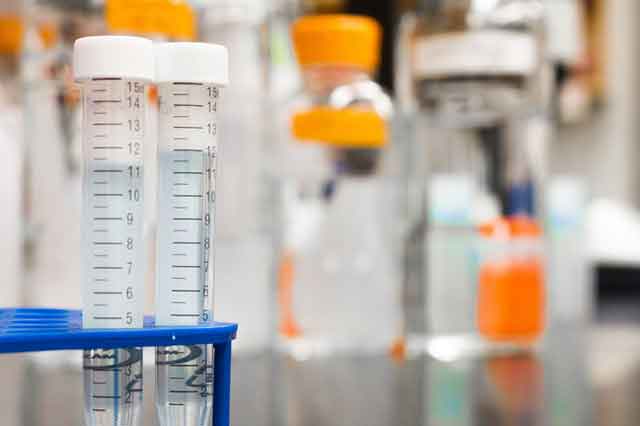
Diabetes is normally diagnosed by running one of a number of chemical tests on either the urine or the blood of the patient…

Diagnosing Diabetes

Diagnosing diabetes is normally done by running one of a number of chemical tests on either the urine or the blood of the patient. The following are the more common tests used to diagnose diabetes.

Testing For Urinary Glucose

A non-diabetic person loses undetectable amounts of glucose in the urine whereas a person with diabetes loses glucose in small to large amounts, in proportion to the severity of their disease and the number of carbohydrates they consume. Simple tests can detect glucose within a urine sample and so can confirm the presence of diabetes however if a positive result is recorded a more complex quantitative laboratory test will be carried out in order to establish the severity of the condition.

Fasting Blood Glucose And Insulin Levels

A fasting blood glucose level in the early morning of around 80 to 90mg per 100 ml is considered to be normal, and a level of 110mg per 100ml is taken as the upper limit of normal. Anything above this value often indicates diabetes mellitus.

In type I diabetes, the insulin levels measured in the blood plasma are very low or undetectable during fasting and even after a meal. However, in type II diabetes, the plasma insulin concentration maybe three or four times higher than normal. Either way, the concentrations detected by the clinical tests will be abnormal and so can be used as an indicator of the disease.

Glucose Tolerance Test

When a normal fasting person ingests 1 gram of carbohydrate per kilogram of bodyweight their blood glucose level rises from an average of 90mg per 100ml to around 120mg per 100ml. Following this rise, the level then drops back to normal in around 2 hours.

A person with diabetes however has an average blood glucose concentration of around 120mg per 100ml even before ingesting the carbohydrate. After ingestion, their blood glucose concentration can rocket to over 200mg per 100ml and it takes anywhere up to 6 hours for it to drop back down to around its starting level.

This slow fall and its failure to drop to normal levels demonstrate that either:

  1. The normal increase in insulin secretion that normally occurs after glucose ingestion is impaired
  2. There is a decreased sensitivity to insulin. Measuring the concentration of plasma insulin will distinguish type I from type II diabetes (see above).

Acetone Breath

Small quantities of acetoacetic acid in the blood are converted to acetone in severe cases of diabetes. This is a volatile acid and is expired as an individual breathes out. Consequently, a physician can often diagnose type I diabetes simply by smelling acetone on the breath of a patient.

Keto Acids In The Urine

In diabetic individuals, keto acids can often be detected by chemical means in the urine and their quantification can help to determine the severity of the disease.

Swift diagnosis of diabetes means that treatment is received as early as possible. Many of the diagnostic tests can be done by your regular doctor which means that if you are at all worried that you may have a form of diabetes, one quick visit to the doctor will be able to put your mind at ease.

Secret Link