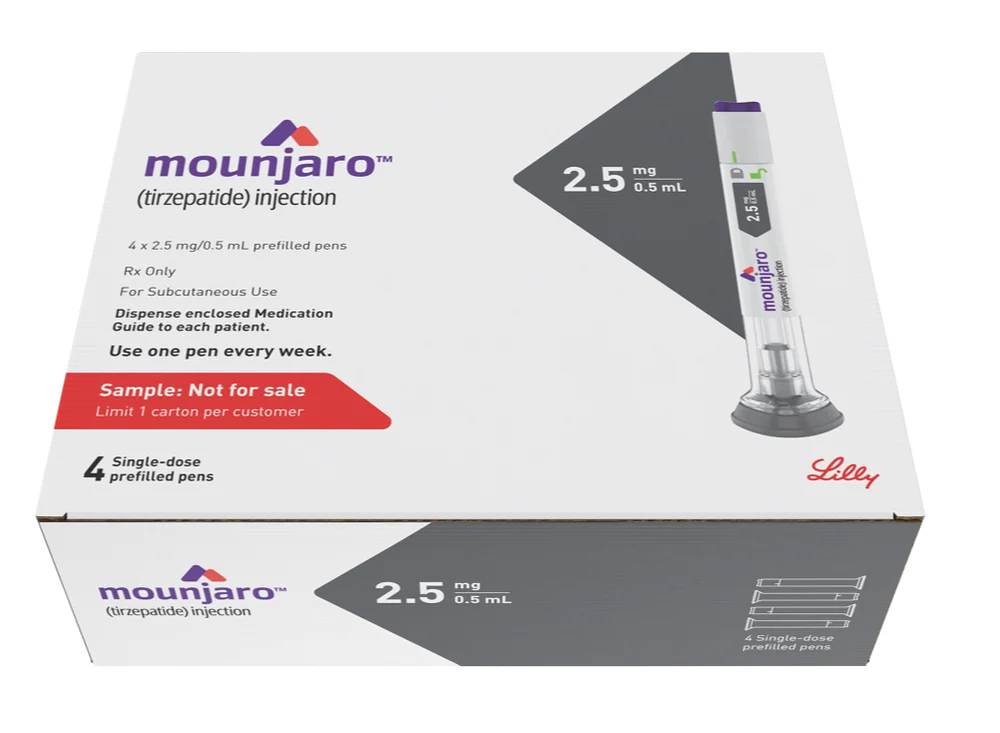
If your doctor mentioned Mounjaro during your last appointment, or you keep seeing the name pop up online, you are probably wondering what it actually is, how it is different from other diabetes medications, and what starting it would really involve. That confusion is completely normal. This medication works differently than most older diabetes drugs, and understanding it before you start makes the whole process far less intimidating.
This guide covers it from the ground up, using current, medically sourced information, so you can have an informed conversation with your doctor rather than relying on guesswork.
This article is for general education and is not a substitute for medical advice. Always talk to your doctor before starting, adjusting, or stopping Mounjaro.
Key Takeaways
- Mounjaro is the brand name for tirzepatide, a medication approved by the FDA to improve blood sugar control in adults with type 2 diabetes.
- Mounjaro is a dual agonist, meaning it activates two different gut hormone receptors, GIP and GLP1, rather than just one.
- Tirzepatide is also sold under the brand name Zepbound, which carries a separate FDA approval for chronic weight management.
- Dosing starts at 2.5 mg weekly and can increase every four weeks up to a maximum of 15 mg.
- The most common side effects are gastrointestinal, including nausea, diarrhea, and decreased appetite.
- Mounjaro carries a boxed warning about thyroid tumors seen in animal studies.
- Cost varies enormously depending on insurance and diagnosis, and coverage is generally limited to type 2 diabetes rather than weight loss alone.
What Is Mounjaro?
Mounjaro is the brand name for tirzepatide, a prescription medication manufactured by Eli Lilly and approved by the FDA to improve blood sugar control in adults with type 2 diabetes, used alongside diet and exercise. It is given as a once weekly injection under the skin.
What makes this medication different from many earlier diabetes drugs is that it is a dual receptor agonist. It selectively binds to and activates both the GIP receptor and the GLP1 receptor, the targets for two separate natural gut hormones. Tirzepatide enhances first and second phase insulin secretion and reduces glucagon levels, both in a glucose dependent manner, according to the FDA prescribing information (FDA label). In simple terms, it helps your body release insulin when it is actually needed, rather than at a fixed rate, which is part of why this drug carries a comparatively low risk of dangerously low blood sugar when used on its own.
Mounjaro Versus Zepbound
A common point of confusion is the relationship between these two medications. Both contain the exact same active ingredient, tirzepatide, made by the same manufacturer. Mounjaro is approved only for type 2 diabetes, while Zepbound received a separate FDA approval for chronic weight management in adults with obesity, or overweight plus at least one weight related health condition.
This distinction matters for insurance purposes, since coverage rules, savings programs, and even pharmacy stocking can differ between the two brand names, even though the medicine inside the pen is identical.
How Mounjaro Compares to Other GLP1 Medications
Mounjaro belongs to a broader family of medications sometimes grouped together as GLP1 based therapies, which also includes semaglutide, sold as Ozempic and Wegovy. The key difference is that this drug activates two hormone receptors instead of one. Clinical research has associated this dual mechanism with some of the most substantial weight loss results seen among injectable diabetes and weight management medications, with reported average reductions of up to 22.5 percent of body weight in certain trials (Drugs.com).
That does not automatically make it the right choice for everyone. Your doctor will weigh your specific health history, other medications, insurance situation, and personal response before recommending one GLP1 medication over another.
The Dosing Schedule
It is available in six dose strengths, 2.5 mg, 5 mg, 7.5 mg, 10 mg, 12.5 mg, and 15 mg, all given as a once weekly subcutaneous injection using a prefilled pen. Treatment typically begins at the 2.5 mg starting dose, which is intended to help your body adjust rather than to control blood sugar on its own. After four weeks, the dose can increase to 5 mg, and from there, your doctor may raise it further in four week intervals based on your blood sugar response and how well you are tolerating it, up to the maximum dose of 15 mg (FDA label).
Reaching the maximum dose is not required for everyone. Research has shown that even the 5 mg dose of tirzepatide alone produced meaningful weight loss results in clinical trials, meaning some patients and their doctors may decide a lower maintenance dose is the right long term fit (Telehealth Ally).
It is injected once weekly at any time of day, with or without meals, and injection sites should be rotated with each dose. If you miss a dose, general guidance is to take it within four days of the missed dose, and if more than four days have passed, to skip that dose and resume your regular schedule, though you should always confirm this with your own doctor or pharmacist rather than assuming it applies to your situation.
What to Expect When You Start
Many people notice appetite changes surprisingly early, sometimes within the first few days after the initial injection, though for others it builds more gradually over the first one to two weeks (Drugs.com). Digestive symptoms also tend to be most noticeable early on and after each dose increase, then ease as your body adjusts.
Because it slows digestion, many people find that smaller portions leave them feeling satisfied, and that eating too quickly or too much in one sitting brings on discomfort faster than it used to. Adjusting your eating pace and portion sizes during the first few weeks can make the transition considerably smoother.
Common Side Effects
The most frequently reported side effects are gastrointestinal. In clinical trials, these included nausea in roughly 12 to 18 percent of patients, diarrhea in 12 to 17 percent, decreased appetite in 8 to 11 percent, vomiting in 5 to 9 percent, constipation in 5 to 7 percent, indigestion in 5 to 8 percent, and abdominal pain in 5 to 7 percent, with rates varying across the different dose groups studied (HealthRX regulatory summary).
These symptoms tend to be strongest in the days following a dose increase and typically settle as your body adjusts to each new level. Talk to your doctor about strategies such as eating smaller meals, avoiding very fatty or greasy foods, and stopping before you feel overly full, all of which can ease the adjustment period.
Serious Risks to Understand
Mounjaro carries a boxed warning, the FDA’s most serious category of warning, regarding thyroid C cell tumors. In both male and female rats, tirzepatide caused dose dependent thyroid C cell tumors at clinically relevant exposures, and it is not known whether tirzepatide causes these tumors, including medullary thyroid carcinoma, in humans (Eli Lilly prescribing information). This medication is contraindicated for anyone with a personal or family history of medullary thyroid carcinoma or Multiple Endocrine Neoplasia syndrome type 2.
The label also includes warnings for pancreatitis, hypoglycemia when combined with insulin or sulfonylureas, acute kidney injury often related to dehydration from vomiting or diarrhea, hypersensitivity reactions, and gastrointestinal adverse events severe enough to require medical attention (HealthRX regulatory summary). Postmarketing reports have also described dehydration linked to persistent nausea, vomiting, or diarrhea, underscoring the importance of staying well hydrated during treatment (FDA label).
Talk to your doctor immediately if you notice a lump or swelling in your neck, hoarseness, trouble swallowing, severe or persistent abdominal pain, signs of a serious allergic reaction, or symptoms of low blood sugar such as confusion, shakiness, or heavy sweating.
Storage and Handling
Pens can be stored in the refrigerator between 36 and 46 degrees Fahrenheit, or at room temperature up to 86 degrees Fahrenheit if needed. A pen should be discarded after 30 days at room temperature, 30 days after first use, or after four weekly doses, whichever comes first, even if medication remains inside it (Drugs.com). Keep all pens out of reach of children.
It is available only as an injection. Tirzepatide is a peptide that breaks down in the stomach, so it cannot currently be made into an oral tablet, unlike some semaglutide products that do offer a pill form (Drugs.com).
Cost and Insurance Coverage
The list price is approximately $1,080 per month regardless of dose strength, a flat pricing model Eli Lilly has maintained since launch (CoveredUSA). Without insurance, out of pocket costs commonly run over $1,300 per month depending on the pharmacy (GoodRx).
Many commercial insurance plans cover Mounjaro when it is prescribed for type 2 diabetes, though prior authorization is often required. Coverage is far less consistent when it is used off label for weight loss, since the FDA has not approved Mounjaro specifically for that purpose, and insurers frequently prefer patients use Zepbound instead for weight management. Eligible patients with commercial insurance and a type 2 diabetes prescription may qualify for the Mounjaro Savings Card, which can bring the cost as low as $25 for a one month or three month fill, subject to annual limits (Eli Lilly). Federal law prohibits manufacturer savings cards from being used with Medicare, Medicaid, or other government funded programs, and Medicare has historically excluded weight loss medications entirely, though this landscape continues to shift.
Who Mounjaro Is Approved For
It is approved for adults with type 2 diabetes as an addition to diet and exercise to improve blood sugar control. It is not currently FDA approved for weight loss on its own, even though it is sometimes prescribed off label for that purpose. Whether it is appropriate for you depends on your diagnosis, other medications, kidney function, and personal or family medical history, which is why a thorough conversation with your doctor matters more than anything you read online.
What Happens If You Stop
Like other GLP1 based medications, its effects on appetite and blood sugar depend on it remaining active in your system. In one major clinical trial, patients who stopped tirzepatide regained roughly two thirds of their lost weight over the following year (Telehealth Ally). This does not mean everyone needs to stay on Mounjaro indefinitely, but it is worth discussing a realistic long term plan with your doctor before you start, rather than after.
Frequently Asked Questions
1. What is the difference between Mounjaro and Zepbound?
Both contain the same active ingredient, tirzepatide, made by the same manufacturer. Mounjaro is approved for type 2 diabetes, while Zepbound is approved for chronic weight management.
2. Is Mounjaro a GLP1 medication?
Mounjaro activates both the GLP1 receptor and the GIP receptor, making it a dual receptor agonist rather than a GLP1 only medication like semaglutide.
3. How long does it take to start working?
Some people notice appetite changes within the first few days, while for others it builds gradually over one to two weeks. Blood sugar improvements typically become more consistent over the following weeks as the dose increases.
4. What is the maximum dose?
The maximum approved dose is 15 mg once weekly, though many patients do well on lower maintenance doses and reaching the maximum is not required for everyone.
5. Is Mounjaro available as a pill?
No. It is only available as an injection, since tirzepatide breaks down in the stomach and cannot currently be made into an oral tablet.
6. Does Mounjaro cause low blood sugar?
On its own, it carries a relatively low risk of hypoglycemia, but the risk increases when combined with insulin or sulfonylurea medications.
7. Will insurance cover Mounjaro for weight loss?
Usually not. Since it is FDA approved only for type 2 diabetes, most insurance plans do not cover it when prescribed solely for weight loss, and often prefer Zepbound instead for that purpose.
8. What should I do if I miss a dose?
General guidance suggests taking a missed dose within four days, and skipping it if more time has passed, though you should confirm the exact timing with your doctor or pharmacist.
9. Will I regain weight if I stop taking Mounjaro?
Many patients experience significant weight regain after stopping, since the medication’s effects depend on it remaining active in the body. A long term plan with your doctor is worth discussing early.
10. How much does Mounjaro cost without insurance?
Without insurance, it commonly costs over $1,300 per month, though the exact price varies by pharmacy and dose strength.
