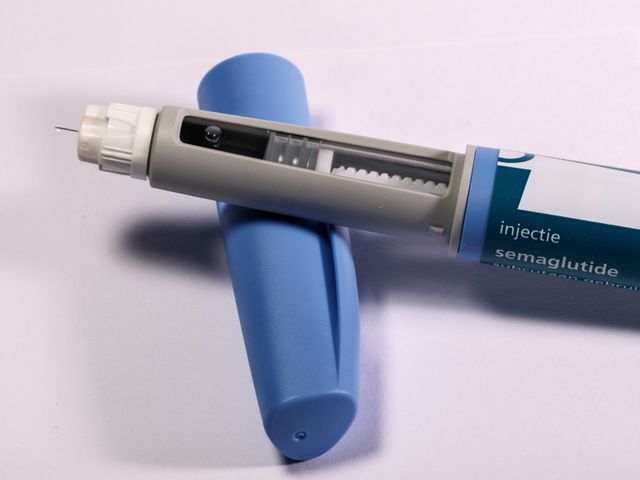
If you just picked up your first Ozempic pen, or you’re still deciding whether to start, there’s a good chance you’re a little nervous. Maybe a friend told you about relentless nausea. Maybe you’ve scrolled past scary headlines about “Ozempic face” or stomach paralysis. It’s normal to want a real, honest map of what’s coming, instead of vague reassurances that “everyone’s different.”
Here’s the good news: for most people, Ozempic side effects follow a fairly predictable pattern tied to the drug’s slow dose increase schedule. Knowing what tends to happen, and when, makes it a lot easier to stick with treatment instead of quitting during a rough week.
This article is for general education and isn’t a substitute for medical advice. Always talk to your doctor before starting, adjusting, or stopping Ozempic.
Key Takeaways
- Ozempic (semaglutide) starts at a 0.25 mg “starter” dose for four weeks, this dose isn’t meant to treat blood sugar, it just lets your body adjust (FDA prescribing information).
- The most common side effects, nausea, vomiting, diarrhea, constipation, and abdominal pain, are digestive and tend to show up in the first one to two weeks of each new dose.
- Side effects often flare briefly after every dose increase, then settle down over the following weeks.
- Serious risks are uncommon but include pancreatitis, gallbladder problems, kidney injury, vision changes, and a boxed warning about thyroid tumors seen in animal studies.
- Talk to your doctor before starting Ozempic and anytime new or worsening symptoms appear, don’t wait for your next scheduled visit if something feels seriously wrong.
How Ozempic Dosing Works (and Why It Matters for Side Effects)
Ozempic is a GLP1 receptor agonist, meaning it mimics a gut hormone that slows digestion, increases insulin release, and signals fullness to the brain. That mechanism is exactly why side effects are so tied to dosage: the faster your body encounters a higher dose, the more likely you are to feel it in your stomach.
The FDA approved schedule increases the dose in stages, with each stage lasting at least four weeks:
- Weeks 1 to 4: 0.25 mg once weekly (starter dose, not intended for blood sugar control)
- Week 5 onward: 0.5 mg once weekly (first maintenance dose)
- If needed: increase to 1 mg, then up to a maximum of 2 mg, no sooner than four weeks apart
This gradual approach exists specifically to reduce gastrointestinal side effects. Rushing it, or skipping steps, tends to make nausea and other GI symptoms worse rather than speeding up results.
Week 1: The Adjustment Begins
The first week after your initial 0.25 mg injection is when side effects are most likely to appear for the first time. Your digestive system is meeting the medication‘s slowed gastric emptying effect for the first time, and that’s an adjustment.
What’s common: mild nausea, some bloating, constipation or loose stools, and a slightly reduced appetite. Many people feel little to nothing at this low starter dose, that’s also normal.
What helps: eating smaller, lower fat meals, stopping before you feel full, and staying hydrated. Some people find that injecting on the same day each week, and giving themselves food shortly after, reduces queasiness. Talk to your doctor before adding any over the counter antinausea medication.
Weeks 2 to 4: Staying at the Starter Dose
You’ll stay at 0.25 mg through week four. For most people, GI symptoms that appeared in week one either stay mild or start to ease as the body continues adjusting. This is also when early appetite suppression tends to become more noticeable, even though 0.25 mg isn’t considered a treatment dose for blood sugar control.
If nausea, vomiting, or diarrhea are severe or persistent during this stretch, rather than mild and intermittent, that’s worth flagging to your doctor before your scheduled dose increase, since they may choose to extend the starter phase.
Week 5: The First Dose Increase
At week five, most patients move up to 0.5 mg, the first true maintenance dose. It’s common to feel a brief return or worsening of GI symptoms in the days after this increase, similar to what many people described in week one. This isn’t a sign anything is wrong; it’s the same adjustment process repeating at a slightly higher dose.
Clinical trial data compiled from Ozempic’s safety profile shows gastrointestinal events remain the most frequently reported adverse reactions at this dose level, though rates vary by individual and by whether Ozempic is combined with insulin or other diabetes medications (Novo Nordisk safety data).
Weeks 6 to 8: Symptoms Typically Start to Settle
By the second month, many people notice digestive symptoms becoming less frequent and less intense, even while staying on 0.5 mg. Energy levels often start to normalize as well. This is generally the point where the medication’s blood sugar lowering (and, off label, appetite suppressing) effects become more consistent day to day.
Some people plateau here long term, 0.5 mg is a fully effective maintenance dose for many patients and there’s no requirement to go higher.
Weeks 9 to 12 and Beyond: Further Increases, If Needed
If your doctor decides you need tighter blood sugar control, the dose can be raised to 1 mg, and later to a maximum of 2 mg, with at least four weeks between each increase. Just like the jump from 0.25 mg to 0.5 mg, each new increase can bring a brief return of nausea or GI upset that typically fades within a couple of weeks.
Not everyone needs to reach the maximum dose. Your doctor will weigh your blood sugar targets, side effects, and other health factors before increasing further.
Less Common but Important Side Effects to Know About
Beyond digestive symptoms, Ozempic’s FDA label and safety data describe several other effects worth understanding:
- Injection site reactions (redness, discomfort), reported in a small minority of patients (Ozempic clinical trial data).
- Hypoglycemia (low blood sugar), more likely when Ozempic is combined with insulin or sulfonylurea medications.
- Gallbladder problems, including gallstones, have been reported.
- Pancreatitis, a rare but serious inflammation of the pancreas; seek care for severe abdominal pain.
- Vision changes, including worsening diabetic retinopathy and a rare condition called NAION affecting blood flow to the optic nerve.
- Kidney problems, sometimes related to dehydration from vomiting or diarrhea.
- Ileus, a serious bowel blocking condition, was added to the label’s warnings and precautions in recent years.
- Thyroid C cell tumors, Ozempic carries a boxed warning based on findings in rodent studies; it’s unknown whether this risk applies to humans, but the drug isn’t recommended for people with a personal or family history of medullary thyroid carcinoma or Multiple Endocrine Neoplasia syndrome type 2 (FDA prescribing information).
Talk to your doctor immediately if you notice a lump or swelling in your neck, severe stomach pain that doesn’t go away, vision changes, signs of an allergic reaction (swelling, difficulty breathing, hives), or symptoms of low blood sugar such as shakiness, confusion, or sweating.
When Side Effects Are a Sign to Call Your Doctor
Mild, brief nausea after a dose increase is expected. It’s time to call your doctor, not wait it out, if you experience:
- Vomiting or diarrhea severe enough to cause dehydration
- Persistent, severe abdominal pain (possible pancreatitis or gallbladder issue)
- Yellowing skin or eyes
- Sudden vision changes
- Signs of a serious allergic reaction
- Symptoms of very low blood sugar, especially if you also take insulin
Your care team can adjust your dose, pace, or add supportive treatments, you don’t have to just push through severe symptoms.
Frequently Asked Questions
1. How long do Ozempic side effects last?
For most people, the most noticeable digestive symptoms ease within a few weeks of starting or increasing a dose. Ask your doctor if symptoms feel unusually severe or don’t improve.
2. Is nausea worse at higher doses?
Many people notice a short flare of nausea after each dose increase, which then settles, this is a normal pattern tied to how the medication is titrated up over time.
3. Can I skip the 0.25 mg starter dose?
No. It’s not designed to control blood sugar; it exists purely to reduce side effects before moving to a treatment dose. Always follow your doctor’s titration schedule.
4. Does eating differently help with side effects?
Many patients find smaller, lower fat meals and stopping before feeling full helpful, though individual responses vary. Talk to your doctor or a registered dietitian for guidance specific to you.
5. What’s the difference between Ozempic and Wegovy side effects?
Both contain semaglutide and share a similar side effect profile, though Wegovy is FDA approved for weight management and uses a different maximum dose.
6. Can Ozempic cause low blood sugar?
On its own, Ozempic has a relatively low risk of hypoglycemia, but the risk increases significantly when combined with insulin or sulfonylurea medications.
7. Are the thyroid tumor risks a reason to avoid Ozempic?
The boxed warning is based on rodent studies, and it’s not known whether this risk translates to humans. It’s a serious enough signal that Ozempic isn’t recommended for people with certain thyroid cancer histories, this is a conversation to have directly with your doctor.
8. Will side effects come back if my dose is increased again later?
It’s common to feel a brief return of mild GI symptoms after each increase, even if you tolerated a previous dose well.
9. What should I do if I miss a weekly dose?
Guidance varies depending on how many days have passed since your missed dose, check your medication guide or call your pharmacist or doctor rather than guessing.
10. Can side effects mean the medication isn’t working?
Not necessarily, side effects and effectiveness aren’t directly linked. Some people see strong blood sugar improvement with minimal side effects, and vice versa.
