Early Signs Of Diabetes

The presence in the blood of large amounts of glucose puts a strain on all the cells in the body. The longer that any person remains unaware of that strain he or she hastens the destruction of those cells. That fact explains clearly the importance of learning and then watching for the early signs of diabetes.

Early Signs Of DiabetesEarly Signs Of Diabetes: The presence in the blood of large amounts of glucose puts a strain on all the cells in the body. The longer that any person remains unaware of that strain he or she hastens the destruction of those cells. That fact explains clearly the importance of learning and then watching for the early signs of diabetes.

Becsause there are two types of diabetes—Type 1 or insulin dependent diabetes and Type 2 or insulin non-dependent diabetes—this article will include details about two different sets of signals, signals that alert a person to the fact that he or she has diabetes. Since Type 1 diabetes occurs among children as well as adults, parents must watch for the appropriate signs, signs linked to the appearance of diabetes.

A child with Type 1 diabetes might suddenly exhibit a frequent need to use the bathroom (in order to urinate). He or she might complain about an abnormal thirst or an seemingly insatiable appetite. A child’s comments about an unexplained hunger might be made all-the-more alarming by evidence that the same child has lost a good deal of weight.

While any of those symptoms should alert a parent to the chance that a son or daughter has Type 1 diabetes, a few other behaviors could help to confirm the parents; fears. A child with undiagnosed, Type 1 diabetes displays an abnormal irritability, a decided weakness or fatigue and possible flu-like symptoms (nausea and vomiting). Those symptoms will not disappear unless and until the child’s diabetes is under control.

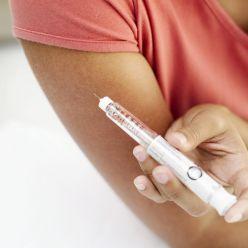
When a patient has Type 1 diabetes, only the administration of insulin gives the patient a tool for controlling his or her diabetes. Today, young people with Type 1 diabetes do not always need to receive insulin injections; they can be equipped with an insulin pump.

In the past, the early signs of Type 2 diabetes did not much concern young parents. In the past, only older adults were expected to develop Type 2 diabetes. Now, however, the prevalence of fats and simple carbohydrates in the diet, combined with too many forms of sit-down entertainment, has lowered the average age of the person with Type 2 diabetes.

Both older adults and young adults now arrive in a doctor’s office with complaints about frequent urination, excessive thirst and a strong craving for sweets and starches. These are seen by doctors as early signs of Type 2 diabetes. When a physician has a patient with such complaints, then he or she needs to search for the cause of those complaints. He or she must check for proof that the patient does indeed have Type 2 diabetes.

The doctor might ask the patient if he or she is always feeling drowsy. The doctor might inquire about problems with itching or blurred vision. The doctor might ask the patient to step on a scale Noticeable weight gain is an early sign of Type 2 diabetes.

The doctor might ask the patient about any tingling in the feet. The doctor might ask the patient to disrobe, so that he or she can check for skin infections. During such an examination, the doctor might well look for any slow-healing wounds.

Doctors realize the some symptoms found among Type 2 diabetics are also found among the general population of aging individuals. Doctors will thus complete their examination with the scheduling of a glucose tolerance test. Such a test can confirm or refute a diagnosis that has been based on evidence of the early signs of diabetes.

In the future, doctors might have a way to obtain earlier evidence that a patient has or does not have Type 2 diabetes. Researchers are now looking for antibodies (special proteins) that appear in the blood or urine of a diabetic patient. Identification of such antibodies would allow for the development of a new diagnostic test, a test for diabetes.

In order to appreciate the benefits that would come from development of such a test, one needs to understand the span of time between the appearance of the early signs of diabetes and the evidence that a patient has an abnormally high blood glucose level. The earliest signs of diabetes might be observed by a physician or patient before a glucose tolerance test can produce proof that the patient does in fact have Type 2 diabetes.

If physicians must rely on data from the glucose tolerance test in order to let their patients know whether or not they have Type 2 diabetes, then those patients become subject to substantial cell damage before that test can give a positive result. If doctors could test at an earlier time for some proof that a patient did or did not have diabetes, then doctors could help patients avoid some of the cell damage caused by uncontrolled diabetes.

Today, a number of tests check for antibodies that are associated with cancer. The PSA test allows doctors to find evidence that an older male patient has prostate cancer. Armed with such a test, doctors are better able to treat the cancer early, and to avoid the unchecked growth of the cancer cells.

Researchers hope to unearth proof that a different antibody appears in the system of a patient with Type 2 diabetes. Researchers want to find an antibody that is produced by the body even before the patients and doctors can note the presence of early signs of diabetes If doctors could send blood or urine samples to the lab, and if the lab could test for the presence of one particular, tell-tale antibody, then diabetic patients could begin a diabetes management plan at a much earlier time.

The early management of diabetes promises to lead to early control of diabetes. The early control of diabetes gives patients with diabetes a greater chance to counter the harmful effects of the high blood glucose levels that are associated with diabetes. By countering those effects, patients with diabetes can hope to enjoy a longer period or time during which they have healthy, undamaged cells.

Ways To Prevent Diabetes

Type 1 diabetes is an inherited condition. At this time there is no way to prevent a person from having Type 1 diabetes. Type 2 diabetes can be prevented. Type 2 diabetes develops in those who have managed to“wear-out” their body’s natural ability to make use of the glucose in the bloodstream.. An understanding of how use of glucose in the bloodstream manages to wear down the body cells helps with recognition of the various ways to prevent diabetes.
Ways To Prevent DiabetesWays To Prevent Diabetes: Type 1 diabetes is an inherited condition. At this time there is no way to prevent a person from having Type 1 diabetes. Type 2 diabetes can be prevented. Type 2 diabetes develops in those who have managed to“wear-out” their body’s natural ability to make use of the glucose in the bloodstream.. An understanding of how use of glucose in the bloodstream manages to wear down the body cells helps with recognition of the various ways to prevent diabetes.

First of all, the prevention of diabetes begins with the willingness to eat a healthful diet. Such a diet should have minimum of sugars and simple carbohydrates. Simple carbohydrates are transformed into sugars very early in the digestive process. Those sugars mix with other foods in the stomach, and they are then carried into the intestines.

The walls of the intestine allow the nutrients in the digestive juices to enter the bloodstream. As the digestive juices pass through the intestine, any glucose in those juices moves directly into the bloodstream. The blood then carries that glucose to all the cells in the body, cells in need of a way to make energy.

Once glucose has entered the bloodstream, then the brain sends signals to special endocrine cells in the pancreas. That signal targets the Islets of Langerhans, and it tells the appropriate pancreatic cells to release insulin.. In a healthy individual, that insulin facilitates the movement of glucose from the blood into the cells.

In a person with Type 2 Diabetes, the released insulin lacks the ability to move glucose into the cells. The body cells thus suffer from the absence of a needed energy source. The prevention of Type 2 diabetes must focus on ways to both limit the amount of glucose that builds up in the blood and to supply the body cells with some source of energy.

Ingestion of plenty of high-fiber foods and complex carbohydrates can help to hold-off the development of Type 2 diabetes. Such foods enter the bloodstream slowly and thus help a person to remain hunger-free for a longer amount of time. The absence of hunger helps to insure the absence of temptation, temptation to eat sugars and simple carbs.

A diet that contains complex carbohydrates does even more. It allows energy source to form slowly, and to move into the bloodstream slowly. The body can handle that energy source. . The body therefore benefits from the molecules that can furnish the cells with energy. Those molecules are able to get into the energy-starved cells.

A second dietary consideration related to diabetes concerns those who already have Type 2 diabetes. Such patients must learn how to prevent the development of the problems that face so many diabetics. A number of those problems stem from failure of the heart or circulatory system to perform properly. The right diet can help with the functioning of the heart and circulatory system.

A person with Type 2 diabetes, or a person who might be on the verge of developing Type 2 diabetes, needs to eat a limited amount of salt. A high salt diet puts an added strain on the circulatory system. A person with Type 2 diabetes should also eat a low fat diet. A diabetic needs to prevent the build-up of cholesterol in the bloodstream.

The prevention of diabetes calls for the eating of fruits and vegetable with lots of antioxidants. Orange and deep green vegetables are a rich source of antioxidants. By eating such fruits and vegetables, one can limit the degree to which oxygen scavengers damage the cells. Cell damage decreases the ability of the cell to take-in glucose.

Life style and habits can either prevent or enhance a person’s chances for getting Type 2 diabetes. Those who do not want to live with diabetes should avoid drinking alcohol. Smoking is a bad habit for anyone who has diabetes. Smoking adds to the amount of “junk” in the bloodstream. Smoking can aggravate any circulatory problems.

A person who has been cautioned that he or she might be headed toward a future life with Type 2 diabetes does not need to accept the inevitability of that projected future. He or she can avoid getting Type 2 diabetes by maintaining a sensible weight. He or she should get on the scale and learn his or her current weight.

After someone who has learned his or her weight, then the prevention of diabetes requires a few mathematical calculations. The person who wants to avoid Type 2 diabetes should divide in half whatever figure has appeared on the scale, in response to the weight of that particular person. That figure represents the number of pounds that the person needs to loose. The loss of that many pounds should allow the concerned individual to avoid developing Type 2 diabetes.

The maintenance of a healthy weight does not have to mean going on a strict diet. In fact, the prevention of diabetes is aided by a behavior that also aids the burning of calories, and the eventual loss of weight. That behavior concerns the creation of a regular exercise schedule, and the willingness to stick to that schedule.

A person who hopes to avoid developing Type 2 diabetes should understand that exercise does more than just burn calories. Exercise can act like a “health-giving pill.” Exercise can make cells more sensitive to insulin. When cells become more sensitive to insulin, then more glucose moves into the body cells. The cells behave more like the cells in a healthy body, a body that does not have the symptoms associated with diabetes.

All of the above behaviors serve to delay the onset of Type 2 diabetes. Another behavior can aid acquisition of more information about diabetes. That one behavior is reading. A diabetic should make a habit of searching online and among printed publications for information about diabetes. Such a search could well uncover new and yet-to-be discovered ways to prevent and to control diabetes.

Foot Care: Inspections And Preventive Measures

Foot care is a vital part of a diabetic’s lifestyle. Daily inspections as well as preventive measures should be explored. Information concerning these matters must not be taken lightly. If an individual does not take great care, long term damage can happen. A person may experience lasting pain, discomfort or could lose the use of their feet. The nervous and immune systems are lower in patents with diabetes. This part of the body is used more frequently than the others and is always exposed to certain elements. Infections, dryness and cuts can all lead to something more serious. This is why the need for inspections as well as understanding preventive measures is important to daily life.

Foot Care - Inspections And Preventive MeasuresFoot Care – Inspections And Preventive Measures: Foot care is a vital part of a diabetic’s lifestyle. Daily inspections as well as preventive measures should be explored. Information concerning these matters must not be taken lightly. If an individual does not take great care, long term damage can happen. A person may experience lasting pain, discomfort or could lose the use of their feet. The nervous and immune systems are lower in patents with diabetes. This part of the body is used more frequently than the others and is always exposed to certain elements. Infections, dryness and cuts can all lead to something more serious. This is why the need for inspections as well as understanding preventive measures is important to daily life.

Inspections
There are several key pieces of information that an individual needs to know when inspecting their feet. Not only should this part of the body be examined but socks, shoes and an individual’s surroundings should also be observed.

  1. Spot check. Each day, an individual should look over their feet carefully. Especially watch out for cuts, bruises, sores or redness. Check the feet for calluses, deformations and bumps. If any scratches or sores are present, allow a couple of days for them to heal. A doctor’s visit is in order if they do not heal or other problems may arise. If there is something that is alarming, seek medical advice immediately.
  2. Toenails. If the toenails are fairly long, it is important to trim them right away. Overgrown nails can cause cuts and damage. They can also make walking extremely difficult.
  3. Corns and warts. Some individuals are prone to take care of these matters themselves. However, this is not a good idea. When a person removes corns, warts or calluses themselves, damage and infections can occur. Seek a medical care provider to remove these blemishes.

Preventive Measures
There are several key points that a person can use to be protective of their feet. When the proper measures, inspections and care are taken into consideration, an individual will be more healthy and vital.

  1. Check shoes and socks daily. An individual must always check their shoes for rocks, nails and other objects. This needs to be preformed on the outside as well as on the inside of the shoes. With a lower feeling in a person’s foot, foreign objects can be damaging.
  2. Always wear socks. Socks protect the feet from mild cuts as well as dried skin. They need to be worn throughout the day, even while sleeping to gain the maximum performance.
  3. Correct fit for shoes as well as socks. Shoes need to fit the feet snugly and comfortable. The soles must have shock absorbent material, the kinds a person may find in athletic shoes. There are locations to find the correct style for an individual’s foot. Diabetic shoes as well as socks are available. Socks must be snug so they do not fall. However, tight elastic around the leg will cut off circulation.
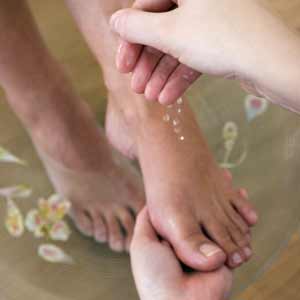
  4. Do not soak the feet. Some individuals enjoy their feet soaked, especially after a long, hard day. Nevertheless, soaking the feet will lead to horrible dried skin. Avoid this when possible.
  5. Keeping the feet dry. In wet conditions, it may be difficult to keep the feet bone dry. However, when they are wet, fungus, dried skin and damage can occur. Some individual’s suggest a person wear two pairs of socks and water proof shoes when in these types of conditions. Another method is, before a person leaves the home, wrap the feet in plastic to ensure dryness throughout the day.

Proper Foot Care

Proper foot care is a part of the diabetic’s lifestyle. It is in the same category as watching what they eat and taking the correct medication. There are several methods that an individual can take to ensure their feet are well maintained. Several issues can be caused by inadequate maintenance. A person can get infections; lose the use of one or both feet. In the worst case scenario, amputation or even death can occur. It is fairly simple to take great care of the feet area. Blood circulation as well as nerve problems can be an issue for an individual that has had high blood sugar for a long period of time. With the correct techniques, foot care can become second nature.

Proper Foot CareProper foot care is a part of the diabetic’s lifestyle. It is in the same category as watching what they eat and taking the correct medication. There are several methods that an individual can take to ensure their feet are well maintained. Several issues can be caused by inadequate maintenance. A person can get infections; lose the use of one or both feet. In the worst case scenario, amputation or even death can occur. It is fairly simple to take great care of the feet area. Blood circulation as well as nerve problems can be an issue for an individual that has had high blood sugar for a long period of time. With the correct techniques, foot care can become second nature.

If an individual practices excellent foot care techniques, damage can be avoided. The maintenance is primarily completed during a person daily bath ritual. With the nerve issues that are related with diabetes, extra care is important. The loss of feeling can result in hot or cold issues and toenail trimmings. A person may not feel that the water is to hot or that they are scrubbing their feet to hard. Trimming toenails can be dangerous as well. If an individual does not have much feeling in their toes, they may cut themselves too closely.

There are several key aspects to foot maintenance and care. The following should be done daily for a person’s overall health and well-being.

  1. Wash daily. This method may seem fairly simple. However, many people do neglect this part of their body thoroughly. Do not use hot water. With the loss of feeling, this could burn the skin severely. Instead use mildly warm water to clean the feet. Do not scrub harshly. Gently wash with a soft washcloth and mild soap.
  2. Avoid perfume and abrasive soaps or lotions. Scrubbing the feet, especially with dry skin can cause nicks and cuts. Perfume lotions may cause infections in tiny scraps that a person has not discovered yet.
  3. Drying. Before applying the lotion, dry the feet completely. Then use a small amount to massage into the feet. Do not leave clumps of lotions. After this is completely absorbed, put on a clean pair of socks right away.
  4. Trimming toenails. This may seem simple, but cutting toenail can be challenging. There is an ease to follow procedure when accomplishing this task. A person needs to have clippers as well as a file for this undertaking. Always clip the nail from the top and straight across. If the nail is still long on the edges, use a file to finish the designed length. The technique will allow an individual not to cut to close to the skin area as well as relieve ingrown toenails.
  5. Circulation. This method is best done in the evening, especially if a person has been walking around all day long. It is important to keep the blood flowing through the feet for the best possible outcome. Move your feet and toes often. Sit with them raised. A person needs to keep the blood flowing throughout their feet for the optimal circulation.

Feet maintenance is a fairly simple concept. An individual can take only a few minutes a day to make sure this part of their body is well taken care of. Diabetes affects every section of an individual’s system. With a proper foot care regiment, damage can be avoided. Care, preventive measures and trips to a personal physician is all it takes for healthy feet and a strong system.

Diabetes And Dental Hygiene

Dental care is an important concept for all individuals to consider. For diabetics, taking care of your teeth and mouth is even more important. Since diabetes can take a toll on the teeth, gums and other portions of the mouth, paying close attention to your dental care will help you to make wise choices with regard to not only what you eat but also how you brush, floss and rinse.

Diabetes And Dental Hygiene: Dental care is an important concept for all individuals to consider. For diabetics, taking care of your teeth and mouth is even more important. Since diabetes can take a toll on the teeth, gums and other portions of the mouth, paying close attention to your dental care will help you to make wise choices with regard to not only what you eat but also how you brush, floss and rinse.

How Does Diabetes Play A Role In Dental Care?
With diabetes, individuals have to keep their blood sugar levels under control as these levels will often deviate from the normal range from time to time. The deviation of the blood sugar levels can lead to oral problems which are much more extreme in diabetics than those who do not have diabetes. Since diabetes which gets out of control can negatively impact the white blood cells and it is these types of cells which fight off bacteria in the mouth, more oral problems will occur due to the impairment of the cells.

Common Dental Problems In Diabetics
Although there are many different dental problems which can crop up in diabetics due to the impaired white blood cells, some dental issues are more problematic than others. Some of the more common dental problems include inflammation of the gums, dry mouth, slow healing of mouth injuries, thrush and a burning sensation in the mouth. With any of these problems, the diabetic may also experience cuts and scrapes inside of their mouth and this too can present problems in the long run. In addition, those who have diabetes may be more prone to dental problems such as gingivitis and gum disease. The good news is that there are preventive measures which diabetics can take in order to protect their mouth and promote good oral hygiene.

Tips For Promoting Dental Hygiene And Optimal Dental Care
Promoting proper dental hygiene is not only beneficial for those with diabetes but other non-diabetics as well. One thing which should be done for optimal dental care in diabetics is to visit your dentist at least twice a year so that the dental professional can check your teeth and gums as well as clean them. When visiting your dentist let him/her know that you are diabetic and advise them of any medications you are taking for your diabetes. In addition, tell your dentist right away if you are experiencing any pain or problem areas in your mouth which could lead to serious problems if left untreated.

For proper dental hygiene procedures at home, it is extremely important to brush after every meal. By brushing your teeth at least three times a day you are removing the food immediately and making it less likely for plaque to form. In addition, be sure to replace your toothbrush whenever it starts showing signs of getting too worn or smells funny. Toothbrushes are reasonably inexpensive and replacing yours when the time comes is well worth it.

Another tip to promote optimal dental hygiene which is extremely important for diabetics is to floss once a day. Flossing will take care of all of the food residue and plaque build up not eliminated by basic brushing. Since plaque can also cause damage to the gums as well as the teeth, flossing will help to get in between the teeth and reach spots where the toothbrush cannot.

Lastly, diabetics can keep their teeth and gums in optimal shape by keeping their blood sugar level at a steady rate. Since the rise and fall of the blood glucose level is what disrupts the white blood cells and ultimately leads to bacteria forming in the mouth, by keeping the blood glucose at a favorable level, the diabetic individual is aiding in protecting their mouth from dental problems as well. All of the aforementioned items will help to promote optimal dental care and good hygiene.

Playing Sports With Diabetes

Playing Sports With DiabetesPlaying Sports With Diabetes: Different types of sports is a great opportunity for all individuals to have. For those with diabetes, playing sports may require a little more preparation than for those who do not have diabetes. It is important to consider the various factors involved to ensure that the sports are played in a safe fashion with one’s blood sugar level in mind.

Be Sure To Maintain Insulin Levels
Although insulin level maintenance is an important concept for diabetics at all times, it is extremely important when the diabetic individual is engaging in sports. Since muscles require additional energy while exercising, the body will release more glucose to gain this energy. If there is not enough insulin in the body to work alongside the glucose, this could result in health problems for the diabetic. Therefore, if you have diabetes and are playing sports, be sure to check your insulin levels on a frequent basis and alter your doses accordingly.

Keep A Snack With You At All Times
Diabetics not only have to worry about high blood sugar levels but low blood sugar as well. In order to keep your blood glucose levels at a favorable rate and not drop too low, eating small snacks from time to time is advisable. Consult with your doctor to see which are the best things to eat and only consume those which are in accordance with your diabetic diet. Just remember to have a snack on hand at all times in case food is needed during the game or practice.

Keep Necessary Medical Information And Supplies With You
Diabetics who play sports should have certain medical information and supplies on them on a continual basis. Items such as medical forms stating you are diabetic, insulin and other medications and testing kit are all things which must be taken with you to practice and games. These items will allow you to check your sugar level, control the level and let others know that you are diabetic should you be unable to tell them yourself. These items are necessary for your well-being and will help you to feel more at ease while playing sports.

Let Necessary Individuals Know Your Medical Condition
Frequently with sports one will have to submit to a physical examination and fill out medical forms dictating their physical health. On these forms it will become known that you have diabetes. With that said, it is also wise to let pertinent individuals such as coaches know that you have diabetes as they will be able to help you should you experience health problems during practices or games. This does not mean that you have to tell everyone on the team, just make sure that those in charge know your medical condition.

Follow Your Diabetes Management Plan At All Times
Those with diabetes will almost always have a diabetes management plan which they must follow in order to keep their diabetes in check. Within this plan, diabetics list their required meal items, insulin dosage and other ways to maintain their blood sugar level. When playing sports, it is even more important to follow this diabetes management plan and add any necessary items which should be followed due to playing sports. Since playing sports takes a lot more energy and exertion, it is extremely important to compensate with regard to eating enough, drinking enough fluids and stop playing when necessary to do so.

Do Not Overexert Yourself
Although diabetics are just as capable of playing sports as their non-diabetic teammates, these individuals may require a break more often. Never feel as if you have to continue the game or practice when you know that your blood sugar level is off. It is crucial to stop and take a break when your body tells you to do so.

Diabetes And The Common Cold

Diabetics have a lot more to consider than simply managing their own blood glucose level. Individuals who have this condition must also be cautious with regard to simple things such as catching the common cold. Where those who do not have diabetes can recover from a cold in a few days, those who are diabetic take longer to recover from such an illness and may even experience complications as a result of the cold. It is these complications which can present severe health issues for the individual. The following presents some factors to consider with regard to diabetes and colds.

diabetes and the common coldDiabetes And The Common Cold: Diabetics have a lot more to consider than simply managing their own blood glucose level. Individuals who have this condition must also be cautious with regard to simple things such as catching the common cold. Where those who do not have diabetes can recover from a cold in a few days, those who are diabetic take longer to recover from such an illness and may even experience complications as a result of the cold. It is these complications which can present severe health issues for the individual. The following presents some factors to consider with regard to diabetes and colds.

The Potential Results Of Catching A Cold While Being Diabetic
One of the main results which can potentially occur when diabetics catch colds is that the stress on the body due to the illness can cause the blood sugar level to rise. The rise in the glucose level is the result of extra hormones being produced by the body to fight the cold infection. The extra hormones interfere with the insulin process and can cause serious issues such as ketoacidosis in those with Type 1 diabetes or a diabetic coma in those with Type 2 diabetes. Both of these conditions are extremely serious and even life threatening for some.

Ways To Prevent Side Effects Resulting From The Cold
Although individuals with diabetes will experience colds from time to time, there are ways to make the side effects resulting from the illness less likely. The first way to do so is to check your blood glucose level on a more frequent basis than you usually do when you are well. By doing these tests more frequently, you can determine if there is a spike in your blood sugar and if so, you are then able to remedy the situation by altering the insulin dosage accordingly. Your treating physician will best be able to tell you how to fix the problem and deal with the varying blood sugar levels in the correct manner.

Another way to aid in the prevention of cold side effects is to alter your diet a bit. Make sure that you are getting the proper amount of carbohydrates and fluids throughout the day. One may actually require more carbs and fluids than usual due to the cold and accompanying symptoms. Just be certain to keep in stride with your usual diabetes menu plan and not eat anything that is not within your usual diet.

Tips On Cold Prevention
The best way to prevent any side effects from resulting due to your cold is to keep from getting sick in the first place. Whether diabetic or not, there are a few tips to keep in mind to pursue healthy daily habits. Things such as washing your hands regularly, avoiding those with colds and other germs and eating healthy foods such as fruits and vegetables are all ways to prevent the common cold.

What To Do When You Get A Cold
If you are diabetic and find yourself coming down with a cold, there are a few things that you can do to lessen the inconvenience and discomfort associated with the illness. First, drink lots of fluids to keep yourself well hydrated. Secondly, make sure that you get enough rest as sleep will help you to rid yourself of the cold in a much quicker fashion. Also, diabetics are able to take some cold medicines but it is important to discuss the recommended types with your doctor before taking anything as some products could be detrimental to the health of the diabetic. Lastly, make sure that you keep up with your proper insulin doses and be mindful of maintaining your blood sugar level as certain things can be forgotten when one is not feeling well.

Foot Care Tips For Diabetics

Proper foot care is essential for all individuals but it is especially necessary for those who have diabetes. Since diabetics who experience foot injuries and conditions can get seriously ill as a result thereof, it is imperative for these individuals to take good care of their feet on a daily basis. If you have diabetes, the following will provide some helpful hints with regard to daily foot care essentials which will aid in promoting the best health possible.

Foot Care Tips For Diabetics: Proper foot care is essential for all individuals but it is especially necessary for those who have diabetes. Since diabetics who experience foot injuries and conditions can get seriously ill as a result thereof, it is imperative for these individuals to take good care of their feet on a daily basis. If you have diabetes, the following will provide some helpful hints with regard to daily foot care essentials which will aid in promoting the best health possible.

Daily Foot Care
In order to keep your feet in excellent condition and free of any injuries, chafing or dryness, there are a few things which you can do each day to have healthy feet and therefore optimal health. First, ensure that your feet are washed well and moisturized every day. Doing so will prevent your feet from cracking and getting cuts due to dryness. You should also check your feet each day to ensure that they are free of cuts, swelling and blisters. If you do happen to find any of these things on your feet, let your doctor know right away so that you can prevent further injury from occurring. Another thing which you should do on a continual basis is to trim your toenails. By keeping the toenails neat and trim, it will be less likely that cuts and cracks will occur on the feet.

Wear Sensible Shoes
In addition to the aforementioned daily foot care, it is also necessary to wear comfortable shoes each and every day. Wearing sensible shoes and the right type of socks with the shoes will enable you to walk in comfort and prevent injury to the feet. Also, it is very important that you wear shoes that cover the toes and forego the flip-flops, sandals and especially bare feet. Although one can get pretty bored with the same type of shoes day in and day out, wearing shoes that cover your toes is one of the best things that you can do to protect your feet and prevent any serious injury from resulting due to the potentially lethal combination of having diabetes and experiencing a serious foot injury.

Keep Your Feet At A Neutral Temperature
It is also a wise idea to keep your feet at a neutral temperature and ensure that you are not walking on surfaces which are too hot or too cold. If getting into water, always be certain to check the temperature before putting your feet into the liquid. Jumping in without testing it first can lead to detrimental results and be bad for your health due to your diabetic condition.

Reasonable Amount Of Blood Flow To The Feet
Diabetic individuals must also be sure to keep a reasonable amount of blood flowing to their feet. When sitting down, try to prop your feet up and move them around whenever possible in order to keep the blood flowing freely to the lower extremities. It is also important to not sit with your legs crossed for a long period of time as this too can prevent the flow of blood to the feet.

Consult Your Doctor For Foot Care Tips Directly Targeting Your Needs
Since everyone’s diabetic condition is specific to the individual, it is a good idea to ask your doctor what more you can do to promote good foot care. Your doctor will be able to determine which preventive measures will work best for you and keep your diabetes and any concurrent illnesses in check. Again, if you have any problems with regard to your feet or diabetes in general make an appointment right away to see your medical health professional and have the issue resolved.

Tips For Diabetics Who Love To Travel

Tips For Diabetics Who Love To Travel: Traveling is something which many individuals love to do each year. For diabetics, traveling can be a bit more difficult as there are more factors to consider than simply packing one’s bags and hitting the road. Issues such as eating right, having insulin on hand and preparing for the potential glucose related incident are all things which must be given great thought prior to traveling. For those who want the freedom of travel and not have their diabetes hinder their trip, there are a few tips to keep in mind which may prove helpful and make the vacation a success.

Pre-Travel Preparations
Before you hop on that flight or get into your car for a much needed road trip, there are a few pre-trip preparations which all diabetics should complete. First, consult with your medical health professional to ensure that traveling is okay. During that doctor’s visit, ask for a generous amount of insulin and other necessary medications so that you will be sure not to run out of medicine while away on vacation. In addition, ask your doctor if he can recommend a medical facility in the area in which you will be vacationing and if not, call ahead and see what hospitals and doctors are in the area just in case you need some medical attention while away. Always ensure that you have documents on your person stating that you are diabetic as this may be needed in the case of an emergency where you are unable to let them know yourself.

Flying With Diabetes
If your travel plans include flying, there are a few tips to take note of in order to ensure that you get on your flight in a timely manner. First, prior to going through the security area, tell the officials that you are diabetic and have medical supplies in your bags. If you are wearing an insulin pump, make sure to alert them of this fact as well. A note from your doctor will make the whole process go a lot smoother. In addition, labeling is extremely important as are prescriptions so be sure to keep all insulin labels on the bottles and prescriptions on hand. Lastly, ask your doctor what changes should be made with regard to insulin injections if needed during the flight as the injection given in a pressurized cabin such as the one in an airplane might necessitate some changes in how it is done.

Vacation Travel By Car
If heading out on vacation in your own vehicle, you also must be aware of basic necessities when traveling with diabetes. As stated above, make sure that you have more than enough insulin and medication to last the entire trip and then some. Since your prescribing doctor is at home, it is vital to get all that you need before you leave on vacation. In addition, make sure that you have some snacks in the car with you in case you need to get your blood sugar under control. It is also important that you wear comfortable shoes which cover your toes as diabetics need to take extra special care of their feet at all times, not just while on vacation.

Emergency Plan While On Vacation
While on vacation, it is very important to have an emergency plan in mind. Know how to get a hold of doctors, where medical facilities are located and what to do should your blood glucose level be off-target. By having a plan in mind, you will be able to rest easier while on vacation and know that should something occur you are more than ready to handle it.

Chantix

Cigarettes have become so depended on that much of the world would go into an extreme frenzy if they were one day unable to get. No doubt someone somewhere would have a pack up cigarettes and you would see people climbing up walls and down buildings to get one cigarette. Just like with that Elmo doll a few years ago, people were trampling over each other for a simple doll who had pretty much became unpopular in today’s world. No doubt cigarettes are somewhat more approachable and more addicting than that of a doll but you get my drift. Cigarettes have become more addicting then any habit out there and people are dying each day for the measure of a simple ingredient, Nicotine.

chantix and diabetesCigarettes have become so depended on that much of the world would go into an extreme frenzy if they were one day unable to get. No doubt someone somewhere would have a pack of cigarettes and you would see people climbing up walls and down buildings to get one cigarette. Just like with that Elmo doll a few years ago, people were trampling over each other for a simple doll who had pretty much became unpopular in today’s world. No doubt cigarettes are somewhat more approachable and more addicting than that of a doll but you get my drift. Cigarettes have become more addicting then any habit out there and people are dying each day for the measure of a simple ingredient, Nicotine.

So what’s to become of this imposing epidemic? What are people to do when a bad habit can not simply be dropped? When the scent of another person’s cigarette grabs you and throws you in to world wind of wanting more nicotine into your body. What do you do then?

Researchers have come up with answer, if you are willing to let one little tablet help you that is? Chantix is what I am talking about. Chantix has only been around for a couple of years but has already proven itself top of the line for helping to help people quit smoking. It is a non-nicotine drug taken in pill form that targets those receptors looking for their nicotine. Chantix was approved by the FDA in May of 2006 and had already helped many people quit smoking and move on with a healthier life. Many have suggested that Chantix not only helped reduce their want to smoking but held little symptoms of many other patches and gums out there on the market.

However, I think to understand how Chantix works you might want to know how nicotine works first. People have receptors in their head that are actively looking for nicotine, almost like a little voice bouncing in your brain telling you to grab the cigarette because you will feel better. And mentally that is very true. Once the nicotine gets the receptors in the brain, a little “text” message is sent to the other side of the brain making the delivery of nicotine known which will then allow the receiving side of the brain to produce Dopamine which is the same chemical released during sex. So the pleasure you feel from smoking cigarette through-out your brain when smoking is sometimes compared to sex. I guess that somewhat explains why some people go out for a cigarette afterwards, they can get a double dose of Dopamine to make then feel better longer.

Chantix works two different ways which are very helpful for the necessary achievement of dropping cigarettes. First of all, Chantix works by allowing an easier approach to those annoying symptoms that are found from trying to quit smoking. Another way is that it prevents nicotine effects if a person decides to continue smoking while being treated. Of course that is self-explanatory, if you are going to continue smoking after receiving treatment from habit then Chantix will make sure that you are at least not feeling the additive part of nicotine.

Studies have been done to prove Chantax’s worth out on the market. One study showed a decrease in 44% of people who were full-time smokers while they were treated in 12 weeks. The Center for disease control also gave a compelling study, they stated that more then 44.5 million people just in the United States are smokers. Forty-four and half million! That is a lot of smokers and a lot of people who are going to have an untimely death due to cigarettes. 8.5 million of those people were said to already have developed some form of disease from their smoking habit. Chantix can not help those people gain their lives back after smoking for so many years and developing a disease, but it can help then to stop smoking to enjoy the rest of their lives.

Chantix is given in the form of both a 1 mg blue tablet or a .5 mg white tablet both are needed to ensure you a chance a successful treatment. First you will be told to take the .5 mg white tablet for the first 3 days of treatment; you will only need to take the tablet once daily. Secondly, you will take the same .5 mg tablet twice daily for days 4-7, this will help you to get used to the medicine and trust that you won’t have any bad side effects to it. When taking it twice daily it will be best if it’s taken in the morning with breakfast and then at night with supper. On days 8 through 84 you will be taking the 1 mg blue tablet twice daily and the same rules apply one in the morning and one at night.

If you are choosing to quit smoking then you are making an excellent decision. Smoking can cause countless injuries to your body and it makes you feel as though you have less energy and less motivation to do anything. It can cause kidney disease and countless problems with both you kidney and lungs. On of the major problems suggested with smoking harms in lung cancer, it is one of the biggest causes of deaths in the U.S. You can also find yourself with heart disease, lung diseases, and various forms of cancer even a stroke and some respiratory illnesses.

The main active ingredient in Chantix is Varenicline tartrate which a whitish- yellowish solid powder that in soluble with in water. Some other ingredients in Chantax are microcrystalline cellouse, phosphate, croscamellouse sodium, magnesium state, anhydrous dibasic calcium, Opadry? White which is used for .5 mg tablet. Opadry? Blue and Opadry? Clear are both used for the 1 mg and .5 mg tablets.

Before taking Chantix there are some things you should probably discuss with your doctor. If you have ever had any kidney issues, disease or kidney dialysis then you should tell your doctor because Chantix may not be the right drug for you. Those who are pregnant, trying to become pregnant or who are breastfeeding should let their doctors know because Chantix does not mix well with women who are under those 3 “conditions”.

You should also let your doctor know of any medications or even vitamins you are taking especially if you are taking insulin for diabetes or being treated for asthma or taking blood thinners for decreasing blood clots.

Chantix can be very expensive but it is a very good drug to help you quit smoking. For a 1-month dosage you can buy it from a pharmacy for $100 to $150 it all depends on your insurance provider though.

They are some side effects that you should know about that could accompany Chantix so you must be aware of them. The most common side effects complained about is a nausea most times the side effect will be released once your body gets used to the medication itself. Some other side effects include a headache, insomnia, gas, constipation and changes in people’s dreams. Again, these side effects should go away with the post introduction the medicine, however if they do not then you should go see a doctor because this medicine may not be for you.

Secret Link