 Mutinational pharmaceutical company Novartis recently announced at the 47th annual Meeting of the European Association for the Study of Diabetes that results from a recent study demonstrated that Galvus® (vidagliptin) is similar in safety profile to placebo when it is used in conjunction with other anti-diabetic therapies in patients who have Type 2 diabetes and moderate to several renal impairment. The study, sponsored by Novartis, also showed that vidagliptin significantly improved glycemic control when it was added to current therapies.
Vidagliptin, a dipeptidyl peptidase-4 (DDP-4) inhibitor, is the largest of its type. It is used to treat patients with Type 2 diabetes with moderate to severe renal impairment, a condition known to be difficult to treat.
The study was randomized, double-blind, parallel-group, and placebo-controlled. It was conducted across multiple facilities and lasted 24 weeks. The study tested vidagliptin 50mg qd for safety and tolerability among 294 patients who had moderate renal impairment and 221 who had severe renal impairment. The groups were randomized, receiving either vidagliptin or placebo.
Researchers used glomerular filtration rate (GFR) to measure the renal function of the patients. Moderate renal impairment was defined as < 30 mL/min/1.73m while severe impairment was defined as 30 to < 50.
The data produced by the study showed that safety and tolerability of vidagliptin 50mg in patients with both moderate and severe renal impairment was typically similar to placebo.
Adverse events in patients with moderate renal impairment were similar in those receiving placebo and vidagliptin (68% and 73%, respectively), while serious adverse events registered at 9% in both groups. Only 3% of the patients on vidagliptin developed adverse effects leading to discontinuation of the medication compared to 5% on placebo; 1% of both groups died during the course of the study.
Adverse effects in patients with severe renal impairment were similar to moderate renal impairment patients at 73% on vidagliptin and 74% on placebo. 19% of the serious renal impairment patients taking vidagliptin experienced serious adverse effects compared to 21% on placebo; 2% of the vidagliptin patients died compared with 4% of the placebo patients.
Patients in the moderate renal impairment group who were treated with vidagliptin showed slightly higher rates of hypoglycemia, comparable to those in the severe renal impairment and placebo groups; this confirms a previous report that vidagliptin is associated with a low risk of hypoglycemia.
“Safety is the primary concern in the treatment of patients with renal impairment and this study demonstrated strong safety results with vidagliptin, without compromising on efficacy,” said Ameet Nathwani, M.D., Global Head of Cardiovascular and Metabolism Development Franchise with Novartis Pharmaceuticals. “Renally-impaired patients are a particularly vulnerable and high-risk T2DM population3 with limited therapeutic options.”
Patients with severe renal impairment who took vidagliptin displayed a higher rate of infections and infestations than patients taking placebo. Most of the adverse effects reported in the study were mild or moderate.
Patients showed a statistically significant decrease in blood glucose levels when vidagliptin was added to other anti-diabetic therapies — 0.7% from baseline in patients with moderate renal impairment and 0.9% in patients with severe renal impairment. The once-daily 50mg dose of vidagliptin was most effective in patients with average renal impairment; patients with normal renal function saw maximum efficacy from taking two daily doses of vidagliptin 50mg.
Vidagliptin is a DPP-4 inhibitor that prevents the breakdown of incretin hormones, which are responsible for stimulating insulin production in the pancreas. It targets the dysfunction in islet alpha and beta cells in the pancreas that causes increased blood sugar levels for those with Type 2 diabetes.
 A Phase III investigation of linagliptin (trade name Trajenta® in Europe) that lasted 102 weeks has shown significantly lowered blood glucose levels in adults who have been diagnosed with Type 2 diabetes. The results of the study were presented at the 47th yearly meeting of the European Association for the Study of Diabetes (EASD) by Boehringer Ingelheim and Eli Lilly and Company. The findings demonstrated that linagliptin, a DPP-4 inhibitor, showed a positive safety profile in addition to reducing HbA1c levels by 0.8% over a long term period in patients who were treated with the
  The U.S. Department of Agriculture has long held the food pyramid in high esteem as a recommendation for the types of foods we should be eating and their ratios to other foods. Within recent months, however, the USDA has redesigned its nutritional recommendations in the form of a plate, with portions of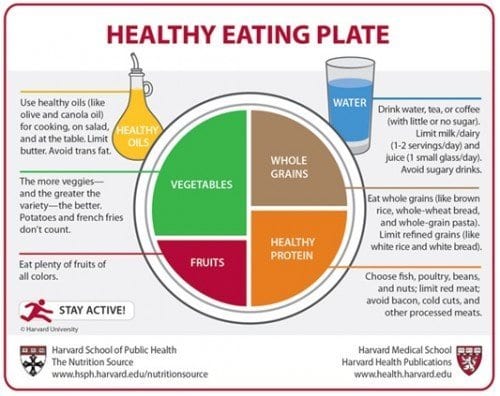
 A registry analysis reports that patients who had been diagnosed with Type 2 diabetes and used
  That
That  The Juvenile Diabetes Research Foundation (JDRF) recently announced on September 14 that it is sponsoring a $100,000 Challenge, calling for the development of new methods for discovering and creating a glucose-responsive
  Josefina Hernandez didn’t think that eating a bag of chips to prevent her blood sugar from dropping would be cause for getting fired. But Hernandez, who worked at a Walgreens in San Francisco, found her employment terminated when she did just that.
 Dr. Neal Barnard, president of the Physicians Committee for Responsible Medicine (PCRM) and author of “The 21-Day Weight Loss Kickstart,” believes that many of our modern-day problems such as obesity and diabetes can be traced to the high concentration of animal products and dietary
  Amylin Pharmaceuticals, a biopharmaceutical company based in San Diego, CA, recently announced the results of clinical trials of its new
  New research shows that there may be a good reason why you should chew your food thoroughly. According Masaaki Eto, M.D., a professor of clinical pharmacology and medicine with Ohu University in Koriyama, Japan, thoroughly chewing food stimulates the release of two intestinal peptides that serve a function in lowering appetite and reducing food intake in obese individuals. Dr. Eto presented the findings of the research at the 47th annual meeting of the European Association for the Study of Diabetes (EASD).