What Is Diabetes: Over 100 million people suffer from diabetes. It doesn’t matter your age, race or sexuality, diabetes can affect anyone. There are two types of diabetes. There is type 1 diabetes and type 2 diabetes. Both are due to problems with insulin. Insulin is produced by the pancreas and if not enough insulin is produced, diabetes can form.
Type one diabetes which is also known as juvenile onset is when a person has a total lack of insulin. Insulin is needed to turn the body’s glucose into energy and for some currently unknown reason the pancreas in type 1 diabetes just does not produce enough insulin to maintain a normal glucose level. In fact, the insulin that the pancreas does produce is seen as the enemy by the body’s immune system. The immune system starts to create antibodies to fight the insulin. There is no prevention of this type of diabetes. Type 1 is usually diagnosed in childhood which is why it is sometimes called juvenile diabetes. Some symptoms include fast weight loss, and dehydration. Due to the fact that the body is not producing any insulin, the only way to treat type 1, is to manually administer insulin daily. Insulin moves the sugar from the blood stream.
Type 2 diabetes is the more common diabetes. Type 1 diabetes usually develops by age 14, but type 2 usually happens later in life. Type 2 diabetes is when the body does not respond properly to insulin. Type 2 diabetes results in high blood sugar. This can and will starve your cells of energy and over time can cause problems with the eyes and kidneys.
Some symptoms of type 2 diabetes are increased fatigue. This is because the body is not able to convert the glucose into energy. Some sugar is moved out of the body but not as much as there would be if it were a normal working pancreas. People who suffer from type 2 diabetes also lose weight without even trying. Another common symptom of this form of diabetes is blurry vision and irritability. Most of the time, the treatment for type 2 diabetes could be exercise, diet, weight lose and some medication. Sometimes shots of insulin can be given to control the blood sugar level in the body. However most of the time the best way to treat and beat type 2 diabetes is with diet and exercise.
It has always been thought that type 1 diabetes is diagnosed when a person is young and that only adults could be diagnosed with type 2 diabetes. However more and more kids are being diagnosed with type 2 diabetes. Could this be because of the fact that more and more children are obese? Most people who are diagnosed with type 2 diabetes are overweight and once they lose the weight, they find that their diabetes has gone away. Unfortunately with type 1 diabetes, there is no cure. Type 1 diabetics will have to live with it for the rest of their lives.
 Juvenile Diabetes Research Foundation: There is nothing harder in the world than watching our children suffer. Can you imagine if your child suffered from diabetes, specifically type 1 diabetes? Type 1 diabetes is often referred to as juvenile diabetes because it is usually diagnosed by the time your child is fourteen. The Juvenile Diabetes Research Foundation is the place for you to go to. It was founded by parents of children who have been diagnosed with diabetes and want to make a difference in this world.
 Diabetics Looking At LASIK Surgery: Just because you have diabetes, it does not automatically mean you are not qualified to have LASIK surgery. Chances are you can but there are some things you need to consider before hand.
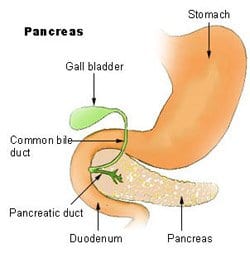 Understanding Your Pancreas: Some people don’t give their pancreas a second thought. The pancreas is a complicated organ. Not only does it produce digestive enzymes which break down the food you eat it also produces the hormones
 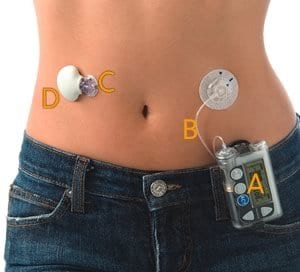 Using
Using  What Is Carb Counting: Carb counting is a relatively new method of managing diabetes. Prior to quite recently, diabetes was usually managed by placing the patient on a restrictive diet which essentially meant that there were certain foods and certain types of foods which the person could not eat. If he was motivated enough to take his health seriously, the patient simply abided by this diet, avoiding those foods completely.
 The Pancreas Transplant: If you have Type-1 diabetes, you may have heard about pancreas transplants, and you may be wondering if this could be an option for you. Perhaps it would be a good idea to examine the facts about pancreas transplants, so that you will be better informed in general as well as more prepared to discuss this subject with your physician.