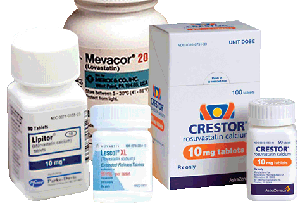
 Patients suffering with Type 2 diabetes are commonly prescribed a combination of medications designed to lower LDL cholesterol, or bad cholesterol, and their triglyceride levels while simultaneously raising HDL cholesterol, or good cholesterol. It has been accepted by the medical community for quite a while that this combination of medication mitigates the effects of diabetes by lowering the risk of heart attacks.
However, that knowledge has been challenged recently in the New England Journal of Medicine. The combination of medication was recently evaluated for effectiveness by a Food and Drug Administration panel and three physicians who served on the panel say that these drugs have not demonstrated any effectiveness in lowering the risk of heart attacks in Type 2 diabetics who have higher levels of cholesterol.
The drugs are called fibrates and doctors prescribe them to raise HDL cholesterol levels while lowering blood triglyceride levels.
Fibrates are commonly prescribed to diabetics as companion medications to statins — drugs that lower levels of LDL cholesterol. There are three fibrates approved for use in the United States by the FDA, including gemfibrozil (Lopid), fenofibrate (Tricor) and fenofibric acid (Trillipix). The sales of these three drugs run into the billions of dollars, reflecting their popularity with physicians prescribing them for patients with diabetes or obesity.
“There have been few studies regarding the clinical outcome efficacy of fibrates,” said Sanjay Kaul, MD. Kaul is one of the doctors challenging the hypothesis that fibrates reduce risk of heart attacks and is director of the Cardiology Fellowship Training Program at Cedars-Sinai Heart Institute. According to Kaul, “Thousands and thousands of Americans take fibrates every day but so far, there are no long-term studies showing that fibrates lower cardiovascular risk or improve survival among diabetes patients who are also on statins.”
The doctors have suggested that more studies be performed to determine the efficacy of fibrates. However, they did recommend that doctors continue to prescribe the fibrate-statin combination of medication to diabetics who are at elevated risk for heart attacks, but only after the patients have been treated with statins to establish control of LDL cholesterol levels.
High blood triglyceride levels have been demonstrated to be a risk factor for heart disease and stroke as well as atherosclerosis, or hardening of the arteries. Triglyceride levels are increased by diets heavy in carbohydrates, such as those where carbohydrates make up 60 percent or more of caloric intake, especially in patients who already exhibit insulin resistance. Patients with high triglyceride levels can reduce those levels with exercise and by consuming omega-3 fatty acids from sources such as fish and flax seed oil. While United States residents are recommended to eat 3 grams of omega-3 fatty acids every day, most people do not consume that amount. Consumption of omega-3 fatty acids should also be balanced with consumption of omega-6 acids.
Clinical trials have shown that although treatment with fibrates alone does reduce the risk of non-fatal heart attacks, it does not reduce the risk of mortality. Fibrates have been used since the 1930s but their mechanism of reducing LDL cholesterol was not fully understood until the 1990s, when it was shown that they activate a type of cellular receptor called PPARs that regulate carbohydrate and fat metabolism. When activated, PPARs actually alter cellular DNA to increase fat metabolism, or the body’s use of stores of body fat to provide energy.
 Fat Levels Higher in Thin Children” width=”290″ height=”249″ />A study conducted by Children’s Hospital Boston and the Joslin Diabetes Center has revealed that levels of “brown fat,” a healthy type of fat that appears in children, increase in puberty and then decrease after. The study also showed that thinner children have higher levels of brown fat. The study was published in the Journal of Pediatrics.
 The Journal of Sexual Medicine recently published a new study demonstrating that weight loss in men with Type 2 diabetes is more than just a healthy choice. It also improves sexual health, increasing erectile function and desire while lowering the risk of developing urinary tract symptoms.
 The smell of that hamburger or steak (unprocessed meat) on the backyard grill is tantalizing, but we all know that we’re not supposed to have too much of it simply because it’s not great for our health for a number of reasons, to include the susceptibility to type 2 diabetes. But, it’s now known that that hotdog (processed meat) lying beside that hamburger on the grill might be a little bit worse for your health than the burger or steak, including your susceptibility to type 2 diabetes.
 The heavy competition present in the modern
  Boston Therapeutics has filed an abbreviated new drug application (or ANDA) with the Food and Drug Administration. The new drug appears in the form of chewable
 You may have seen him on Bravo TV’s “Top Chef,” but Sam Talbot now has his sights set on promoting Type 1 diabetes awareness. Talbot has joined “Life First,” a diabetes awareness campaign. Himself a Type 1 diabetic, Talbot seeks to increase awareness for diabetics in general and to
  Pharmaceutical company Kamada LTD. has been granted an Orphan Drug Designation for Alpha-1 Antitrypsin (AAT) product, which is used to treat Type 1 diabetes. Kamada LTD. specializes in the development, manufacture and marketing of special life-saving drugs and procedures.
 Smartphones have just become quite a bit more useful for diabetics and other patients who rely on regular injections of