 A team of United States-based scientists are hopeful that new research on a natural chemical found in body cells could set the stage for the development of a vitamin-like pill that could prevent diabetes or perhaps even reverse the disease completely.
The chemical is called nicotinamide mononucleotide (also known as NMN) and it serves an important purpose in the way body cells utilize energy. The U.S.-based researchers tested the compound by injecting diabetic mice with it. After the injections, the mice showed normalized blood glucose levels in addition to lowered triglyceride blood fat and cholesterol levels.
The next step for the research team is to develop a method of administering the NMN compound to mice directly through their drinking water instead of through injections. In the future, the team’s long-term goal is to develop a “nutriceutical” pill, similar to a normal daily vitamin, that can be taken to reverse or prevent Type 2 diabetes.
“Once we can get a grade of NMN that humans can take, we would really like to launch a pilot human study,” said Dr. Shin-ichiro Imai, M.D., Ph.D., from the Washington University School of Medicine in St. Louis; Dr. Imai also headed the study. Since mice share a similar genetic code with humans, medications meant for human use are often tested on mice first. However, even when a medication appears safe when used on mice, it must be extensively tested on humans as well before being approved for prescription and sale. According to Dr. Imai, the effect of NMN was “remarkable,” and it was more pronounced in female mice: “After giving NMN, glucose tolerance goes completely back to normal in female diabetic mice,” said Dr. Imai.
The researchers triggered the onset of Type 2 diabetes in the mice by feeding a high-fat diet to young, otherwise healthy mice. All of the mice displayed decreased levels of a molecule called NAD, which is responsible for extracting energy from nutrients in food and turning it into a form that cells can use to operate. In mice as well as humans, NAD is derived from NMN and is created by cells through a series of metabolic reactions.
One important effect of NAD is the activation of SIRT1, a protein that has been the subject of much study and which has been demonstrated to encourage well-functioning metabolism throughout the body and to increase insulin sensitivity. SIRT1 — or NAD-dependent deacetylase sirtuin-1 — is encoded by a gene also called SIRT1. Since NAD is toxic when administered directly to organisms such as mice and humans, researchers injected mice with NMN instead, which leads to an increase in NAD levels. After they were treated with the compound, the mice displayed significantly improved glucose response. NMN is produced naturally by the body but its levels decrease as the individual ages. High-fat diets also discourage the production of NMN.
According to Dr. Imai, NMN exhibits very similar behavior in mice and humans. However, the further testing will be required before it can be determined whether a lack of the compound is equally responsible for Type 2 diabetes in humans. “Whether this mechanism is equally compromised in human patients with Type 2 diabetes is something we have to check,” said Dr. Imai. “We have plans to do this in the very near future.”
 A study published in the October issue of the journal “Diabetes Care” has demonstrated that, in patients with Type 1 diabetes who receive intensive
  A recent randomized trial showed that increasing the intensity of weight loss interventions only in patients who do not succeed in reaching their goals may be an effective alternative to typical approaches.
 A new study warns that eating food too quickly more than doubles an individual’s chance of developing impaired glucose tolerance, also known as
  A study recently published in the journal “Cancer” has discovered that therapy with the drug tamoxifen — an oral
  Doctors and scientists have long known that people with Type 2 diabetes are at an increased risk of developing certain types of cancer. Until recently, the mechanisms behind the link between the two diseases have been unclear to medical professionals.
 A large meta-analysis of
  A study recently conducted by researchers at Glasgow University in Scotland found that men develop Type 2 diabetes faster than women do in terms of weight gain. The study’s findings showed that Type 2 diabetes occurred in men at a lower body mass index (BMI) than it did in women. The research could provide the reasoning behind higher rates of diabetes among men throughout many areas of the world.
 A recent study suggests that significant accumulation of calcium buildup in coronary arteries could be a signal of an impending heart attack in individuals who have metabolic syndrome and diabetes.
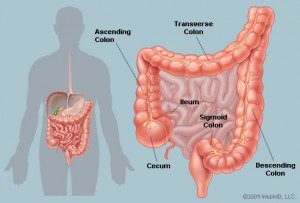 A recent review of past research has confirmed that individuals with diabetes are at an increased risk of developing colon cancer. However, scientists aren’t sure why the connection exists or what can be done to lower the risk. The findings were reported in the American Journal of Gastroenterology.