 Cellnovo, a company working towards the development of new insulin delivery technologies, recently received CE Mark approval for its mobile diabetes management system, the first of its kind that the world has seen. The approval is an important milestone for Cellnovo in offering new, flexible technologies that aid diabetics in managing their disease.
“This is Cellnovo’s first step in a journey to bring this mobile diabetes management system to the world,” said William McKeon, Chief Executive Officer at Cellnovo.
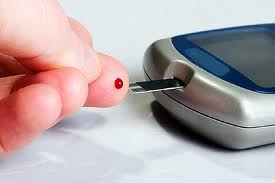
The management system, also called Cellnovo, utilized mobile, wireless technology to aid diabetics in the management of their disease. The system is composed of an insulin patch pump, a touch-screen handset equipped with a blood glucose monitor, and an extendable applications set.
“Cellnovo has created the first insulin pump that brings innovation and combines form with function, essential qualities in a device that patients have to interact with 24/7,” said Dr. Pratik Choudhary, a Clinical Lecturer in Diabetes at King’s College London.
The patch pump developed by Cellnovo is the smallest and most precise one yet. The touch screen interface that the system uses will also be familiar and easy to navigate for anyone who has used a handheld mobile device such as an iPhone.
“Cellnovo has combined advanced mobile and medical technology which may create a paradigm shift in diabetes care,” according to Irl B. Hirsch, Professor of Medicine at the University of Washington in Seattle. “For the multitude of patients who could benefit from pump therapy, Cellnovo could be a game-changer.”
Perhaps the most innovative feature of Cellnovo’s diabetes management system is its ability to receive and transmit data wirelessly and in real-time to a portal that both patients and physicians have access to. The automated transmission of blood glucose data simplifies the process of keeping track of such information for patients, removing the need for diabetics to keep track of every measurement. It also ensures that the data is collected quickly, accurately, and consistently, allowing constant and efficient monitoring of the disease by health care professionals. This new capability could redefine the models that physicians use to treat diabetics, according to Dr. Mark Evans, a lecturer and Honorary Consultant with the Institute of Metabolic Science at the University of Cambridge.
“The ability to see real-time data of patients who may be hundreds of miles away provides the opportunity to redefine our care model,” said Dr. Evans.
Dr. David Kerr, a Consultant Physician and Diabetologist at Bournemouth Diabetes and Endocrine Centre, was also optimistic about the role that Cellnovo could play in revolutionizing diabetes care. “Cellnovo has the potential to break new ground in bringing the first mobile diabetes management system to market. It is clear that new technologies for diabetes care, such as Cellnovo’s mobile health solution, are going to forever change the way we practice medicine and more effectively manage diabetes long into the future.”
Cellnovo previously announced that it would be partnering with LifeScan, a Johnson & Johnson company based in California, to utilize LifeScan’s blood glucose monitoring technology with the Cellnovo mobile management system.
“We wanted superb blood glucose monitoring technology inside our mobile handset and LifeScan is a market leader,” said William McKeon, Chief Executive Officer of Cellnovo. “Through our partnership with LifeScan, our combined technologies will advance care through connectivity.”
Cellnovo is a mobile health technology company based in the U.K. Cellnovo’s goal is to utilize mobile technology to allow diabetics greater freedom and simplifying the process of insulin administration and glucose monitoring.
 A recent study of 3,400 Chinese adults, age 40 and over, has found that exposure to bisphenol A is not associated with an increased risk of developing diabetes. Bisphenol A is a chemical used in plastics that has been surrounded by controversy since some claimed it was responsible for health problems. The findings were published in the journal “Annals of Internal Medicine.”
 A study conducted on elderly (over 65) patients who had been diagnosed with Type 2 diabetes found that they were not as aware of their own hypoglycemic conditions as were middle-aged (age 39-64) patients.
 Mutinational pharmaceutical company Novartis recently announced at the 47th annual Meeting of the European Association for the Study of Diabetes that results from a recent study demonstrated that Galvus® (vidagliptin) is similar in safety profile to placebo when it is used in conjunction with other anti-diabetic therapies in patients who have Type 2 diabetes and moderate to several renal impairment. The study, sponsored by Novartis, also showed that vidagliptin significantly improved glycemic control when it was added to current therapies.
 A Phase III investigation of linagliptin (trade name Trajenta® in Europe) that lasted 102 weeks has shown significantly lowered blood glucose levels in adults who have been diagnosed with Type 2 diabetes. The results of the study were presented at the 47th yearly meeting of the European Association for the Study of Diabetes (EASD) by Boehringer Ingelheim and Eli Lilly and Company. The findings demonstrated that linagliptin, a DPP-4 inhibitor, showed a positive safety profile in addition to reducing HbA1c levels by 0.8% over a long term period in patients who were treated with the
  The U.S. Department of Agriculture has long held the food pyramid in high esteem as a recommendation for the types of foods we should be eating and their ratios to other foods. Within recent months, however, the USDA has redesigned its nutritional recommendations in the form of a plate, with portions of
 A registry analysis reports that patients who had been diagnosed with Type 2 diabetes and used
  That
That  The Juvenile Diabetes Research Foundation (JDRF) recently announced on September 14 that it is sponsoring a $100,000 Challenge, calling for the development of new methods for discovering and creating a glucose-responsive
  Josefina Hernandez didn’t think that eating a bag of chips to prevent her blood sugar from dropping would be cause for getting fired. But Hernandez, who worked at a Walgreens in San Francisco, found her employment terminated when she did just that.