The Basics: What Ingredients Really Mean
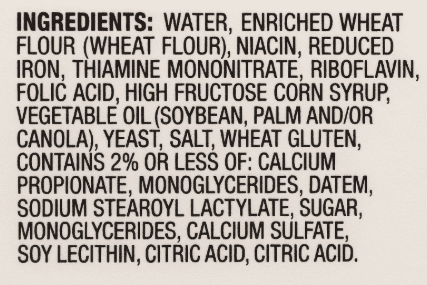
Ingredient lists aren’t random; they’re organized by weight, meaning the first ingredient makes up the largest portion of the product.
Continue reading “How to Read Ingredient Labels: Diabetes & Kidneys”
Diabetes News, Information & Resources
Ingredient lists aren’t random; they’re organized by weight, meaning the first ingredient makes up the largest portion of the product.
Continue reading “How to Read Ingredient Labels: Diabetes & Kidneys”
Dealing with diabetes can feel like a full-time job. When kidney health enters the picture—whether it’s chronic kidney disease (CKD), dialysis, or recovering from a transplant—figuring out what to eat gets even more complicated. The good news is, with a smart approach, you can create delicious and varied meals that protect both your blood sugar and your kidneys.
Continue reading “The Kidney-Friendly Meal Plan for Diabetics”
There is a lot of buzz going around the internet about low-calorie sweeteners. Some say they are okay to use and others say to stay away from them. Sugar alcohols are just one of the low-calorie sweeteners that many are buzzing about.
There is a lot of buzz going around the internet about low-calorie sweeteners. Some say they are okay to use and others say to stay away from them. Sugar alcohols are just one of the low-calorie sweeteners that many are buzzing about.
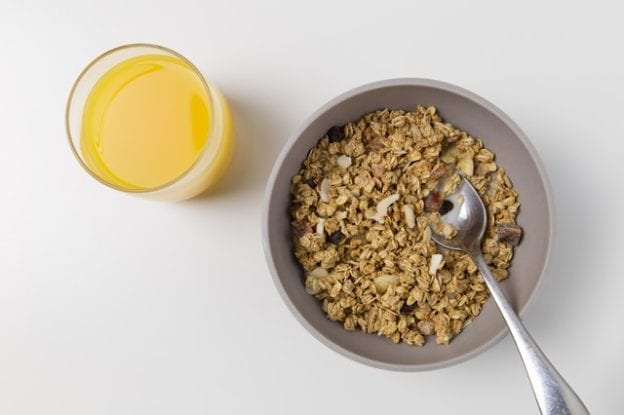
A high fiber diet is important for everyone, but especially for people with diabetes. Fiber can help to lower blood sugar levels, improve cholesterol levels, and reduce the risk of heart disease. There are two types of fiber: soluble and insoluble. Soluble fiber dissolves in water and forms a gel-like substance that can help to slow down digestion and absorption of glucose. Insoluble fiber does not dissolve in water and helps to keep the digestive system healthy.
Continue reading “Can A High-Fiber Diet Help Manage Diabetes?”
If you have experienced complications as a result of your diabetes, your physician may recommend benfotiamine. This is a synthetic variation of Vitamin B-1, and is also known as thiamine.
If you have experienced complications as a result of your diabetes, your physician may recommend you taking benfotiamine. Benfotiamine is a synthetic variation of Vitamin B-1, and is also known as thiamine.
Continue reading “Benfotiamine”
Learn about diabetes diet guidelines. This article offers information on gestational, type 1, type 2 diabetes and pre-diabetes diets. See if you’re on the right track.
When it comes to a diabetes diet, there are many important things to know. One of the most important things to know about a diabetes diet is that different diabetic diagnosis can change each diabetic diet.
Before we get into all that however, let’s talk about the way weight can increase diabetes.
People who are obese or overweight are 80 times more likely to develop diabetes than those who maintain a healthy weight. In a study produced by the Medstar Research Institute in Washington, D.C., almost 2,000 non-diabetic, overweight adults that were between the ages of 25 and 74 were measured for their risk of developing diabetes, they were also measured to see if they reduce their risk by losing weight. They study proved that in just losing two pounds a year for ten years, their risk of developing diabetes reduced by a third.
Continue reading “An Instructional on Diabetes Diet Guidelines”
Does honey and diabetes work well with each other? Honey will affect your blood sugar level just as granulated sugar does. If you want to swap out sugar and replace it with honey, the results will be the same.
The Budwig Protocol and diabetes seem to be a good match for eating healthier, lowering cholesterol and gaining better blood glucose levels. We are not ordinarily an alternative health medicine website, but the Budwig protocol has gained enough attention in the recent news that we felt it warranted a paper on this site. There is nothing harmful in the Budwig protocol. Johann Budwig, Ph.D., was a well-known German biochemist who stated that her recipe, along with other modifications in the daily diet would lead to a healthier lifestyle and prevent/cure some diseases.
The single most important thing that one can do when faced with type 2 diabetes is to control your diet. While glucose levels are the primary concern that diabetics face, it is also necessary to treat other aspects of the disease with diet. For example, diabetes can lead to high acidity levels in the blood, so it is necessary to eat foods that contain alkaline compounds that will mitigate the acidity. Also, since many pancreatic digestive enzymes are not produced in abundance by diabetics, it is important to supplement these natural enzymes with sources in your diet. Mild forms of diabetes can be controlled completely with proper attention to diet and exercise and it can be possible to slow the advance of the disease by following a few simple dietary rules.
Learning the basics of nutrition and diabetes can be fun as you learn new and healthy ways to eat. The single most important thing that one can do when faced with type 2 diabetes is to control your diet.
A quick reference guide to vitamins and minerals.
Vitamins and minerals can help with managing diabetes. Here’s a quick list of some that we found and some notes to go along with them. Let us know what you use in the comments section and how they help you.