 A study recently conducted by researchers at Glasgow University in Scotland found that men develop Type 2 diabetes faster than women do in terms of weight gain. The study’s findings showed that Type 2 diabetes occurred in men at a lower body mass index (BMI) than it did in women. The research could provide the reasoning behind higher rates of diabetes among men throughout many areas of the world.
The study was headed by Professor Naveed Sattar with the Institute of Cardiovascular and Medical Sciences. According to Dr. Sattar, being obese or overweight is a significant risk factor that makes Type 2 diabetes much more likely. Additional risk factors for the disease include older age, ethnicity, and a genetic predisposition toward diabetes.
Researchers used data from 51,920 men and 43,1367 women from Scotland who had been diagnosed with diabetes. Their findings demonstrated that the mean BMI for males at the time of their diabetes diagnosis was 31.83; meanwhile, the same statistic for females was only 33.69. The difference in mean diagnosis age was more significant at younger ages.
“Previous research has indicated that middle-aged men are at a higher risk of developing diabetes than women and one possible explanation is that men have to gain less weight than women to develop the condition,” said Dr. Sattar. “In other words, men appear to be at higher risk for diabetes,” he continued.
According to Dr. Sattar, human physiology could be partly to blame for the younger age at which men are diagnosed with diabetes. A man carries body fat around the stomach and liver; this distribution could be responsible for men developing diabetes earlier in life than women.
Chronically elevated blood glucose levels, which disrupt the body’s ability to regulate sugar in various parts of the body, cause the development of Type 2 diabetes. The disease is associated with excess stores of fat in certain organs, such as the liver and muscles.
According to the Centers for Disease Control and Prevention, 16 million Americans have diabetes; 55 percent of them are women. Women comprise 58.4 percent of Type 1 diabetics. However, they only comprise 47 percent of individuals with Type 2 diabetes. While more women have Type 1 diabetes, slightly more men have Type 2 diabetes.
Both forms of diabetes still have a significant impact on women’s health. Gestational diabetes — a glucose intolerance first diagnosed during pregnancy — affects about 2-5 percent of all pregnancies. Nearly twice as many women receive a diagnosis of nonketotic hyperosmolar coma than men, and women are diagnosed with hypoglycemia about 1.5 times more than men are. Women are also diagnosed with vision loss due to diabetes more than men in the 40-59 age range, the 60-69 range, the 70-79 range, and the 80 and above range. Doctors hypothesize that women may be diagnosed with vision loss more frequently because their diabetes has a long duration, there may be a smaller percentage of blind men registering as such, and because men’s shorter life spans could result in death before severe vision loss.
Dr. Sattar works in the metabolic medicine group at the BHF Glasgow Cardiovascular Centre, which works to uncover new information about the causes of diabetes and vascular disease as well as the complications associated with those illnesses. The group has conducted physiological studies to determine the cause of diabetes and aims to discover new treatments for the disease.
 A recent study suggests that significant accumulation of calcium buildup in coronary arteries could be a signal of an impending heart attack in individuals who have metabolic syndrome and diabetes.
 A recent review of past research has confirmed that individuals with diabetes are at an increased risk of developing colon cancer. However, scientists aren’t sure why the connection exists or what can be done to lower the risk. The findings were reported in the American Journal of Gastroenterology.
 A research team at the John G. Rangos Sr. Research Center at Children’s Hospital of Pittsburgh of UPMC and the University of Pittsburgh School of Medicine has discovered a molecular pathway responsible for regulating management of
 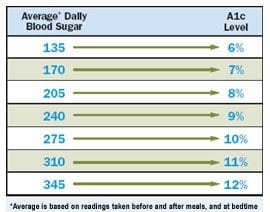 A large United States-backed study recently discovered that lowering blood glucose levels in older individuals with diabetes was helpful in preserving brain volume in the patients but did not help in mitigating the effects of memory loss. The findings were published in the journal “Lancet Neurology.”
 Diabetics looking to network with other patients online have a variety of options, including the availability of a doctor to answer questions, who reviews the material posted on the website, and which companies are allowed advertising space on the website.
 A study published in the September 26 issue of the journal “Archives of Internal Medicine” has demonstrated that diabetics are healthier when they visit their doctors frequently. The patients involved with the study who saw their primary care physicians once every 1 to 2 weeks had a better chance of achieving their clinical goals than patients who saw their doctors less frequently.
 It may come as a surprise to many that diabetes can affect both humans and animals. Treatment for diabetes in humans is much easier because they’re usually willing to take steps to mitigate the effects of the disease, but it’s impossible to communicate the risks of diabetes to a pet. Any treatment plan for diabetes must be based on accommodating fluctuations in blood sugar; however, such fluctuations can be difficult to detect in pets.
 Scientists in Australia have revealed that they could be on the verge of an exciting development in reversing Type 2 diabetes. The researchers’ discovery involves a specific gene and its disruption of
  A study released Monday suggests that children who have been diagnosed with diabetes are at increased risk of developing asthma. In addition, blood glucose regulation seems to be more difficult for children who have both asthma and diabetes. The study was published in the journal “Pediatrics.”